How Minimalism Changes Your Priorities (And Why That’s a Good Thing)
An in-depth look at how minimalism reshapes your priorities over time, helping you focus on what truly matters in daily life.
When More Stops Feeling Better
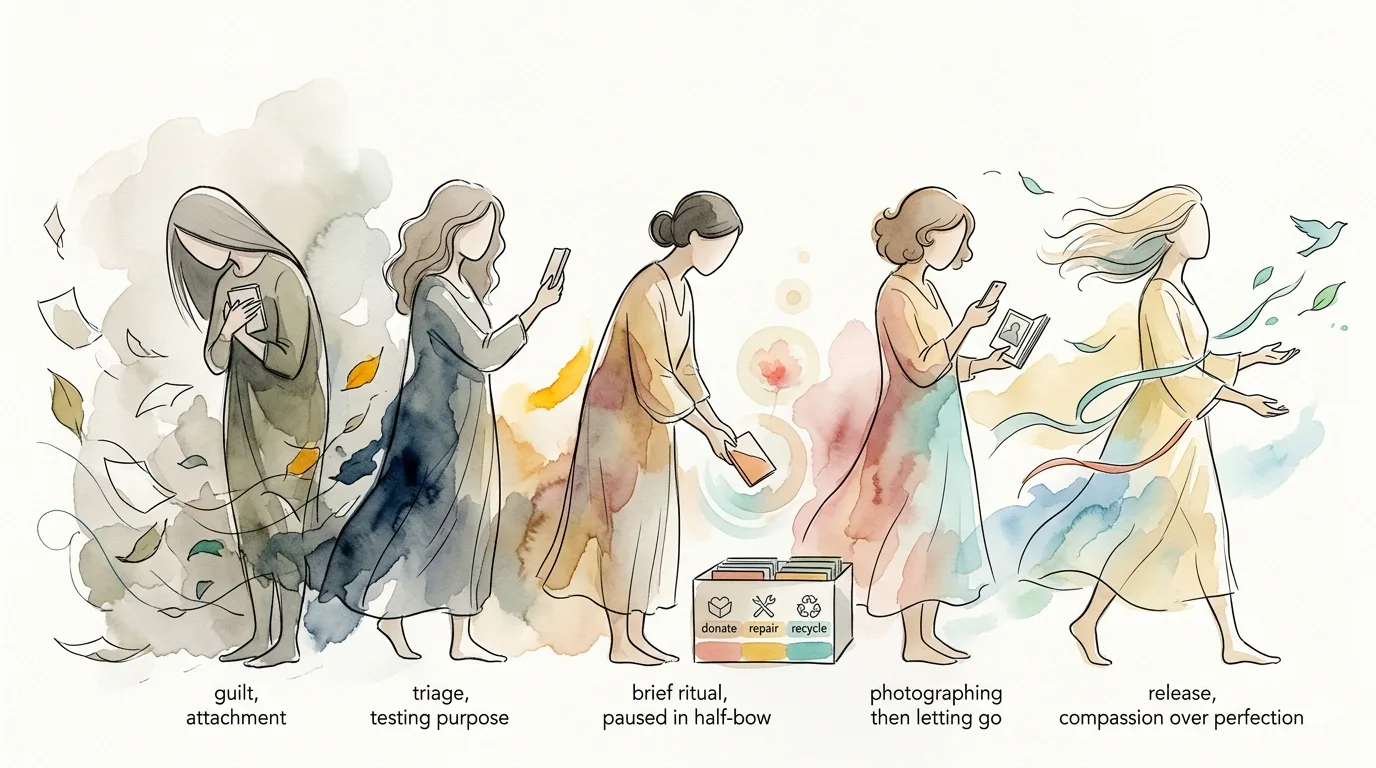
Minimalism often begins as a practical response to clutter. Too many things, not enough space, constant visual noise. But what keeps people practicing minimalism isn’t the clean shelves—it’s the quiet shift in priorities that follows.
Over time, minimalism changes what feels important. Not in a dramatic, overnight way, but through small, consistent decisions. You start noticing where your time goes. You question automatic habits. You become more intentional, not just with objects, but with attention, energy, and expectations.
This shift is subtle, but powerful. And it’s one of the most meaningful reasons minimalism tends to stick.
Minimalism Reveals What You’ve Been Defaulting To
Before minimalism, many priorities are inherited rather than chosen. Busyness is rewarded. Accumulation feels normal. Productivity often outweighs presence.
When you begin removing excess—physical or otherwise—you create friction against those defaults. Empty space makes patterns visible.
You might notice:
- How often you buy out of boredom or stress
- How much time is spent maintaining things you barely use
- How clutter quietly competes with rest and focus
This awareness mirrors what many people experience early on, similar to the realization described in The Moment I Realized I Had Too Much. Once seen, it’s hard to unsee. And that’s where priorities start to change.
Time Becomes More Valuable Than Stuff
One of the first shifts minimalism brings is a clearer relationship with time.
Owning less usually means:
- Fewer things to clean, organize, and fix
- Fewer decisions about what to wear, use, or store
- Less mental energy spent managing excess
That reclaimed time doesn’t automatically turn into something meaningful. But it becomes available. And availability is powerful.
People often begin prioritizing:
- Slower mornings
- Consistent routines
- Rest without guilt
- Activities that compound over time
This is where minimalism connects naturally to habits. Small actions, repeated daily, become easier when your environment isn’t fighting you. Even something as simple as a short daily reset or a five-minute ritual can have long-term impact, as explored in The 5-minute Habit That Gives Long-Term Results.
Minimalism doesn’t demand more discipline. It reduces resistance.
Attention Shifts From Owning to Experiencing
As priorities shift, experiences often replace possessions as sources of satisfaction.
This doesn’t mean constant travel or expensive activities. It usually looks quieter:
- Enjoying meals without distraction
- Being fully present in conversations
- Creating space for reflection or creativity
Minimalism removes background noise. With fewer inputs competing for attention, moments feel fuller.
This is also why many people report a mindset change. When life feels less crowded, urgency decreases. You’re less reactive. Less driven by comparison. More grounded in what actually adds value to your days.
Spending Becomes Intentional, Not Restrictive
A common misconception is that minimalism is about spending less at all costs. In practice, it’s about spending with clarity.
When your priorities change, so does your relationship with money:
- Impulse purchases lose appeal
- Quality matters more than quantity
- Purchases are evaluated by usefulness, not novelty
This is where minimalism quietly supports consistency. Instead of relying on willpower, you rely on principles. Simple rules—like pausing before purchases or asking whether something supports your daily life—become natural filters.
Over time, this reduces decision fatigue and regret. Spending aligns with values, not moods.
Your Home Supports Your Life Instead of Competing With It
As priorities shift, the role of your home changes too.
Rather than being a storage unit for everything you own, it becomes a tool. A place that supports rest, focus, and routine.
This often shows up as:
- Clear surfaces that invite use
- Fewer duplicates and “just in case” items
- Storage that matches how you actually live
The goal isn’t perfection. It’s function. When your space reflects your real habits, daily life feels easier. Maintenance becomes lighter. Organization sticks.
This practical side of minimalism reinforces the mindset shift: energy is finite. You start protecting it.
Priorities Become Aligned With Long-Term Well-Being
Minimalism encourages thinking in terms of accumulation versus alignment.
Instead of asking, “Can I fit this in?” you begin asking:
- Does this support the life I want to live?
- Does this add pressure or remove it?
- Will this still matter in a month? A year?
These questions extend beyond possessions. They apply to commitments, routines, and even relationships.
As a result, priorities tend to shift toward:
- Consistency over intensity
- Sustainability over quick wins
- Depth over volume
This doesn’t make life smaller. It makes it more intentional.
Why This Shift Is a Good Thing
Changing priorities can feel uncomfortable at first. Letting go of old defaults often creates uncertainty.
But over time, the benefits compound:
- Decisions become simpler
- Regret decreases
- Daily life feels calmer and more deliberate
Minimalism doesn’t remove desire. It clarifies it. You stop chasing what’s expected and start paying attention to what actually improves your days.
That clarity is what makes minimalism more than a decluttering trend. It becomes a framework for choosing better—again and again.
Minimalism as an Ongoing Practice
Minimalism isn’t a finish line. Priorities will continue to evolve.
New responsibilities appear. Seasons change. What matters shifts.
The value of minimalism is that it gives you a way to recalibrate. To notice when things feel crowded again. To realign without starting over.
In that sense, minimalism isn’t about having less. It’s about living with fewer distractions from what matters most.
And that shift—quiet, gradual, and deeply practical—is why it tends to last.