How to Simplify Meal Planning: 7 Habits That Save Time Weekly
Seven simple, repeatable habits to streamline weekly meal planning—save time, reduce waste, and cut decision fatigue with small changes you can stick to.
Why simplifying meal planning saves more than time
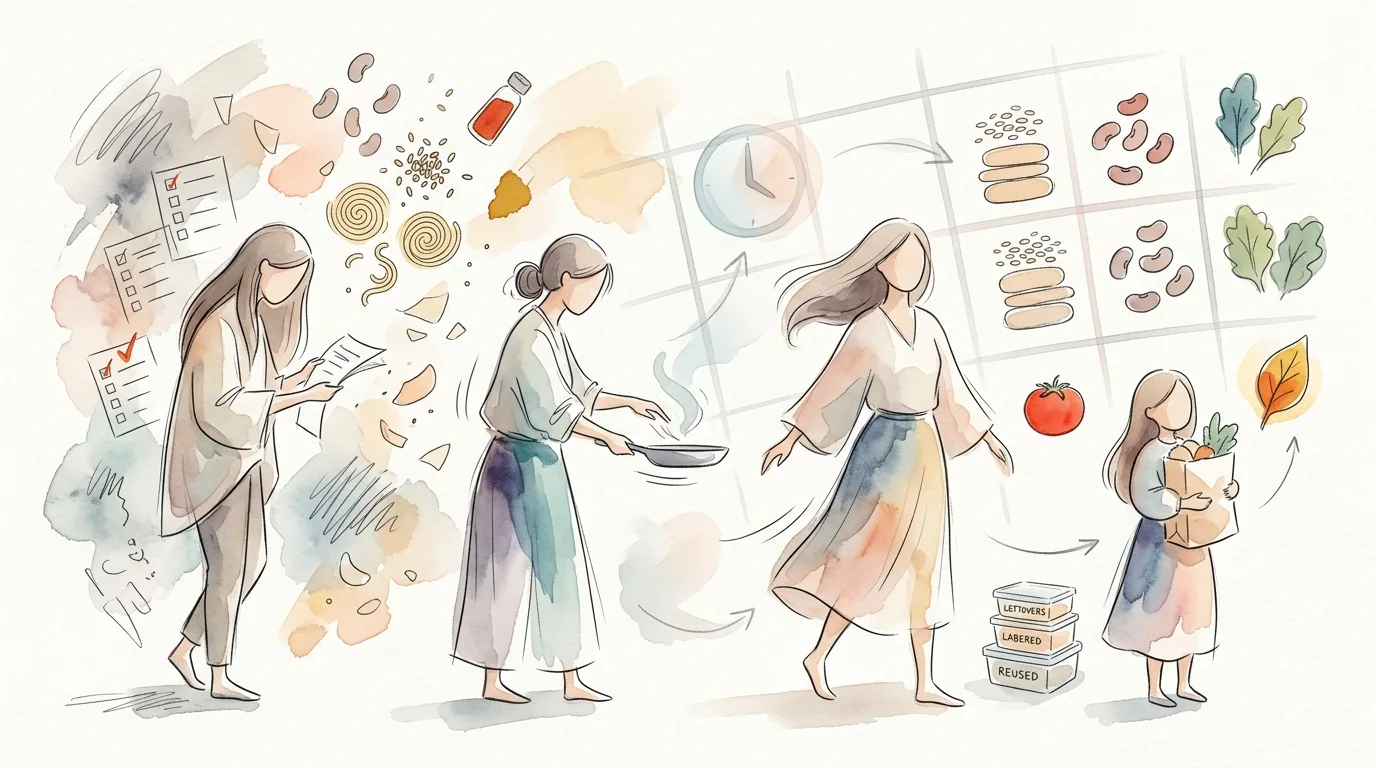
Meal planning often sounds like extra work until it stops feeling like work at all. The truth is small habits—kept consistently—turn meal planning from a weekly scramble into a quiet, efficient rhythm that frees up mental space, saves money, and reduces food waste.
Below are seven habits that transform meal planning into a low-effort, high-return part of your week. Each one is easy to try alone, and when you stack two or three you’ll notice the time you used to spend deciding and shopping melt away.
The seven habits that cut time every week
1. Build a 6–8 recipe rotation
Pick six to eight dinner recipes that you genuinely enjoy and that share ingredients. Rotate them weekly instead of inventing something new every night. Why this works:
- Fewer decisions: you eliminate nightly “what’s for dinner?” friction.
- Easier shopping: shared ingredients mean smaller, predictable lists.
How to start: choose two proteins, two easy vegetarian options, one slow-cooker meal, and one “leftovers rework.” Put the list somewhere visible and commit to it for four weeks.
2. Theme your week
Assign simple themes to weeknights (e.g., Pasta Tuesday, Sheet-Pan Thursday, Leftover Friday). Themes cut choice down to a tiny set of recipes and make it easier to improvise when life changes.
Quick tip: keep themes broad. “Grain bowl” can mean rice with roasted veg one week and quinoa with beans the next.
3. Plan in a 20-minute weekly session (and pair it with another habit)
Reserve 20 minutes each weekend to plan meals, check the pantry, and make a short shopping list. Stack this with an existing routine—while your morning coffee brews or at the end of your Sunday walk.
If you want a system to attach this habit to, consider integrating it into a broader planning rhythm: pair your meal session with a weekly planning routine like a 30-minute weekly planning routine that already checks calendars and errands. Doing both together saves time and keeps decisions aligned.
4. Create a “go-to” grocery list template
Rather than writing a new list from scratch each week, keep a templated list organized by store sections (produce, dairy, pantry, frozen). Add staples you buy regularly and a short section for special items tied to recipes for the week.
One-line template:
- Produce: greens, onions, tomatoes
- Proteins: chicken, canned beans
- Pantry: rice, pasta, canned tomatoes
- Dairy/eggs
- Frozen: veggies, berries
- Special items (this week): saffron, miso paste
This simple structure shaves minutes off list-making and prevents forgotten items that force extra trips.
5. Batch two things at once: prep and freeze
Batch cooking doesn’t have to be an all-day event. Pick two actions that multiply returns: chop vegetables for multiple meals, and make a double batch of a base (tomato sauce, chili, grain) and freeze half.
Small wins:
- Chop once, use often: portion chopped onions, peppers, and carrots into zip-top bags for the week.
- Freeze smart: store cooked grains and sauces in single-meal portions so thawing is quick.
Batching gives you midweek shortcuts and reduces the temptation to order takeout.
6. Keep a flexible recipe card collection
Have 10–15 flexible recipes written on cards or in a digital note labeled “fast + adaptable.” Each recipe should include substitutions (e.g., “swap chicken for tofu,” “use canned beans instead of fresh”).
Why it matters: life is messy. Flexible recipes make it easy to adapt when you’re short on time or missing an ingredient.
7. Use a minimalist kitchen toolset and a visible pantry
A small, reliable set of tools (a good chef’s knife, sheet pan, sauté pan, and one slow cooker or Instant Pot) reduces decision fatigue about HOW you’ll cook. Pair that with a visible pantry: store frequently used items where you can see them. When you can glance at what you have, planning is faster and you avoid buying duplicates.
A short starter pantry list:
- Olive oil, canned tomatoes, canned beans
- Rice, pasta, stock
- Dried spices: salt, pepper, chili flakes, oregano
- One jarred sauce and one jarred condiment (miso, mustard, soy)
Tiny habits and habit stacking to make this stick
Start smaller than you think. Try one tiny habit for two weeks, then add another.
- Week 1: Pick one theme night (e.g., Pasta Tuesday). Only decide that night’s meal.
- Week 2: Spend 20 minutes on Sunday making a shopping list template.
- Week 3: Add one batch task—chop vegetables once and store them.
Stack meal planning onto an existing evening or weekend routine: after you clear the table on Sunday, spend five minutes surveying the pantry and then 20 minutes finishing your list.
Common objections and simple fixes
- “I’m bored by repetition.” Keep your rotation flexible: swap one recipe a week or change a spice profile.
- “I don’t have time to cook.” Use theme nights that rely on quick methods (sheet-pan, stir-fry, slow cooker) and frozen or pre-chopped produce when necessary.
- “I hate grocery shopping.” Order online using your go-to template or pick the same delivery window each week to build a predictable routine.
Getting started (your two-step kickoff)
- Choose one habit from the list above to try this week. Don’t try all seven—pick the one that addresses your biggest pain point (decision fatigue, grocery trips, or time in the kitchen).
- Add one simple anchor: attach the habit to something you already do (coffee, Sunday reset, family calendar check). Commit for two weeks and then add the next habit.
If you’d rather overhaul your weekly rhythm, combining meal planning with a broader weekly planning routine makes the transition smoother. For help shaping that rhythm, see this guide on a simple weekly planning routine.
Small, consistent changes compound. You don’t have to overhaul your kitchen or your life—keep the process tiny, repeatable, and kind to your energy. Over a few weeks those seven habits will stop being a checklist and start being your new, calmer normal.