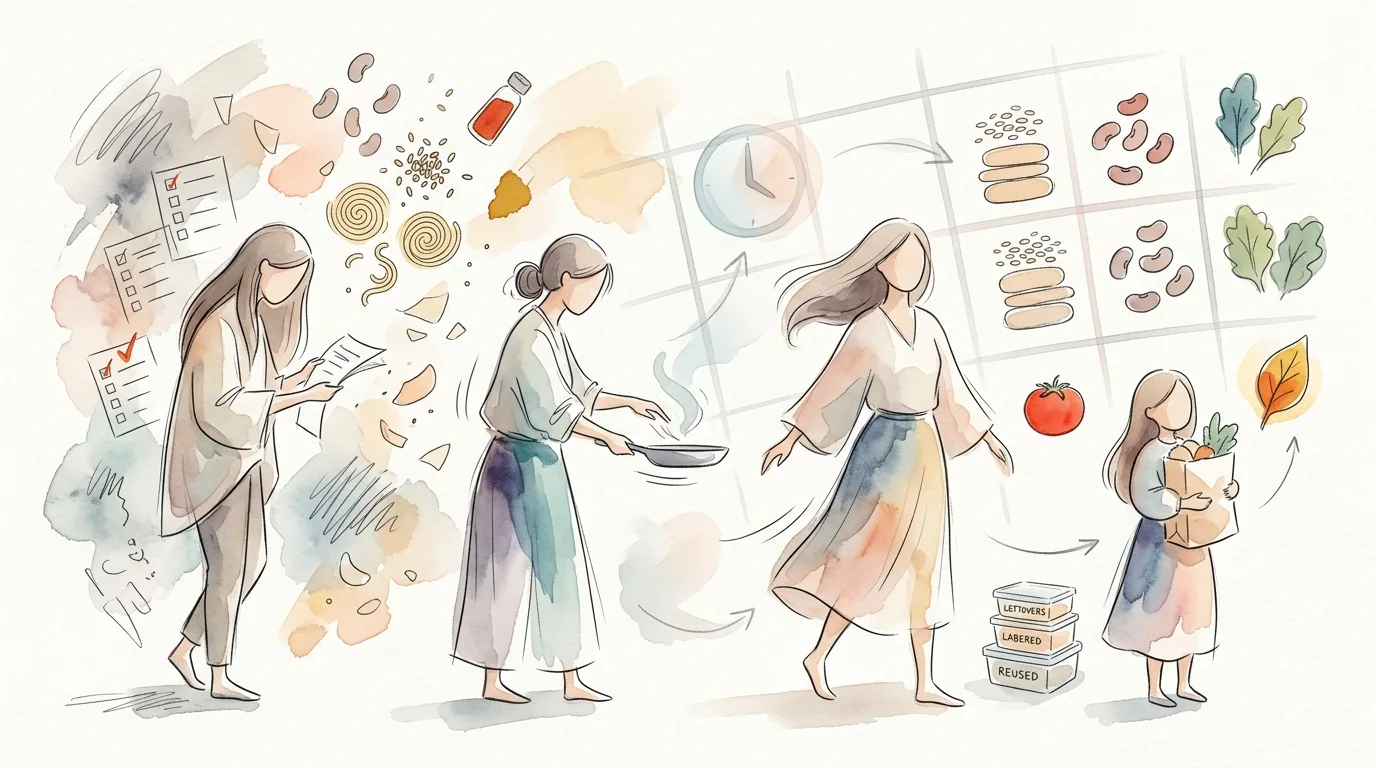
How to Simplify a Weekly Meal Plan with 7 Flexible Staples
Create a low-decision weekly meal plan using seven versatile staples, a simple grain+protein+veg formula, a one-hour prep routine, and easy swaps for variety.
Why a 7-staple weekly plan works
Meal planning doesn’t have to be complex. The trick is not to over-design your week but to build a flexible framework that reduces decisions, cuts waste, and keeps flavors interesting. A short list of versatile staples lets you create dozens of meals from minimal shopping and 30–90 minutes of weekly prep.
Below I’ll show you the seven staples I recommend, why each one earns a spot on the list, and a simple weekly template that turns those staples into breakfasts, lunches, dinners, and snacks you’ll actually enjoy.
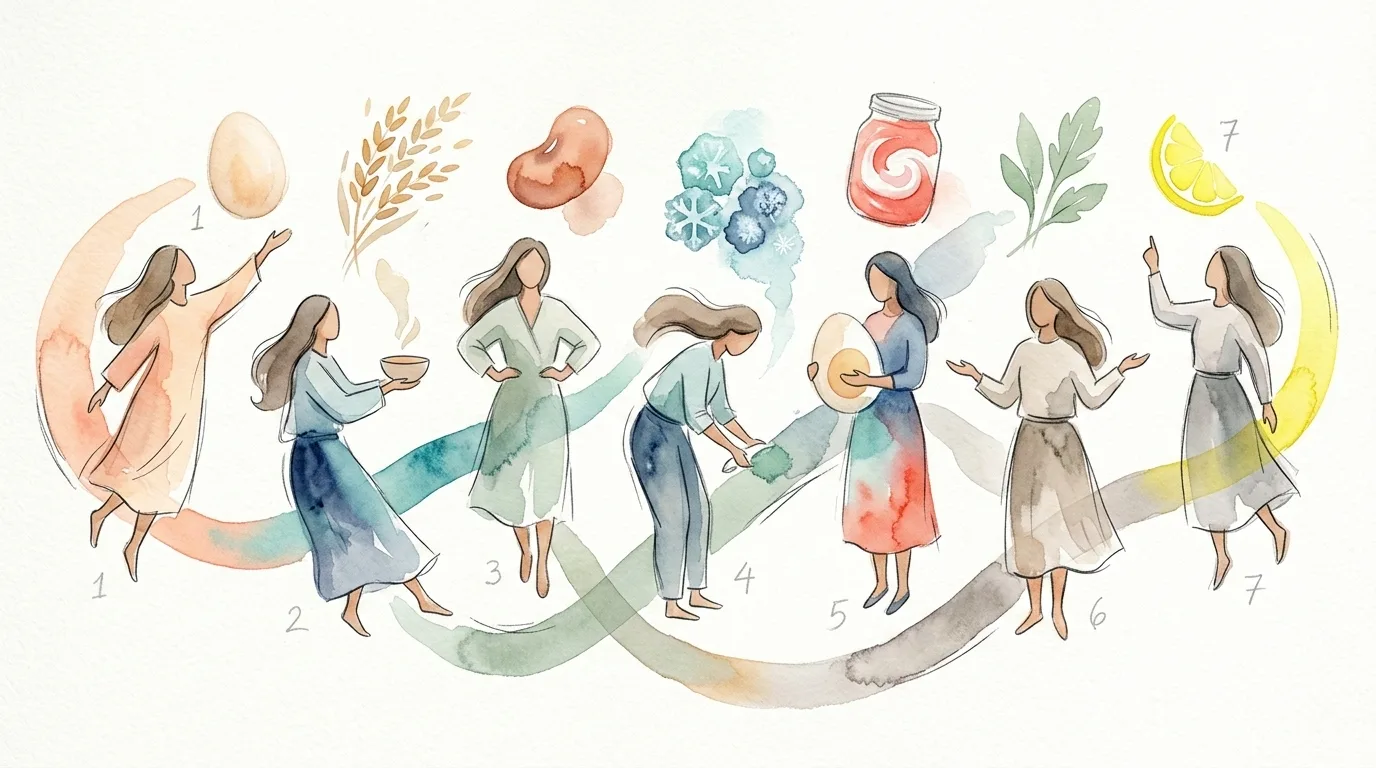
The 7 flexible staples (and how each saves you time)
Use these staples as building blocks. Each is chosen because it’s cheap, shelf- or freezer-stable, and wildly adaptable across cuisines.
1. Eggs
Why: Eggs are fast, protein-rich, and work at any meal. Scrambled, boiled, baked, or turned into an omelet or frittata, they solve breakfast, lunch, and dinner problems.
Quick uses: Breakfast bowls with greens, fried egg over rice, egg salad for sandwiches, or a crustless quiche for meal-prepped slices.
2. One versatile grain (rice, quinoa, or couscous)
Why: Grains are the neutral base that stretch meals. Choose one you like and buy it in bulk.
Quick uses: Grain bowls, stir-fries, hearty salads, or reheated as a side. Cook a big batch once, then repurpose.
3. A dependable protein (chicken breasts/thighs, canned tuna, or dried/canned beans)
Why: Protein keeps you full and lets the rest of the meal shine. Pick animal or plant proteins depending on your diet.
Quick uses: Roast chicken for multiple meals, canned tuna for salads and pasta, or beans for tacos and stews.
4. Frozen vegetables (mixed medley or single favorites)
Why: Frozen veg is affordable, long-lasting, and already prepped. You get nutrition without the pressure to use fresh produce immediately.
Quick uses: Stir-fries, soups, blended into sauces, or roasted from frozen for sheet-pan dinners.
5. A jarred sauce or plain yogurt (tomato sauce, curry paste, or Greek yogurt)
Why: A single sauce transforms the same ingredients into different cuisines. Yogurt can be a sauce base, marinade, or snack.
Quick uses: Tomato sauce for pasta and shakshuka, curry paste for quick one-pan dinners, or yogurt as a dressing and dip.
6. Leafy greens (spinach, kale, or mixed salad greens)
Why: Greens add freshness and a nutrient boost. They’re easy to toss into almost any dish.
Quick uses: Wilted into grains, blended into smoothies, or used raw in sandwiches and salads.
7. A bright flavor agent (lemons/limes, a jar of pickles, or a balsamic vinegar)
Why: Acid or fermented flavors lift a dish instantly. They make leftovers taste deliberate, not reheated.
Quick uses: Squeeze over roasted veggies, add to dressings, or stir into soups right before serving.
How to build your weekly meal plan around these staples
The secret is a simple formula you can repeat: Grain + Protein + Vegetable + Sauce + Brightener. Swap the pieces and you have a new meal in minutes.
A sample weekly template (fast variant)
- Breakfast: Eggs + grain or greens. (Example: scrambled eggs over leftover rice with a handful of greens.)
- Lunch: Grain bowl with protein, veg, and a dollop of sauce/yogurt.
- Dinner: One-pan protein + frozen veg + sauce, served with grain.
- Snacks: Hard-boiled eggs, yogurt with lemon and honey, or raw greens with dip.
7 dinners using only the staples
- Mediterranean bowl: Grain + roasted chicken + spinach + tomato sauce + lemon.
- Tuna & bean salad: Canned tuna + beans + mixed greens + vinaigrette.
- Curried veg & rice: Frozen veg + curry paste + rice + yogurt drizzle.
- Sheet-pan chicken and veg: Chicken thighs + frozen veg + balsamic + grain.
- Shakshuka-ish skillet: Tomato sauce + eggs poached in sauce + bread or grain.
- Grain & greens stir-fry: Grain + eggs or beans + frozen veg + soy or sauce.
- One-bowl comfort: Warm grain + yogurt + lemon + roasted veg + chopped egg.
Rotate these across weeks—small swaps keep things interesting (e.g., switch lemon for pickles, or chicken for beans).
One-hour weekly prep routine
Do this once a week to make weekday cooking effortless.
- Cook a large pot of your chosen grain (30–40 minutes). Store in the fridge.
- Roast or poach a week’s worth of protein (20–30 minutes). If using canned beans or tuna, rinse and portion instead.
- Hard-boil 4–6 eggs (10 minutes) and store peeled.
- Chop fresh aromatics if you use them (onion, garlic, herbs) and portion sauces.
This takes about an hour and saves 10–20 minutes per meal later.
Smart shopping and storage (keep decision fatigue low)
- Buy the staples every week; vary the extras. If you want to shrink what’s in your kitchen, see this guide to a minimal kitchen inventory for tips on choosing fewer, higher-impact items.
- Label leftovers with date and meal suggestion to avoid staring at the fridge unsure what to eat.
- Use clear containers for grains and prepped proteins so choices are visible.
Small habits that make the plan stick
- Weekly 15-minute planning: Sit down before shopping and map dinners to two shapes: a quick pan (20 minutes) and a comfort one (40–60 minutes). That reduces nightly decision-making.
- Habit stack: Right after you put groceries away, start your grain or protein so it’s ready when you need it. If you like routines, this is an easy one to attach to an existing habit.
- Leftover two-step: Tonight’s dinner becomes tomorrow’s lunch with one tweak (add fresh greens or a new sauce). A single small change keeps meals from feeling repetitive.
If you’re looking for a structured set of weekly habits that shave time and anxiety from meal prep, this post on simplify meal planning offers complementary strategies that pair well with the 7-staple approach.
Adapting the staples to your preferences and budget
- Vegetarian: Replace animal protein with an extra legume (lentils, chickpeas) and keep yogurt or a nut butter for creaminess.
- Gluten-free: Choose rice or quinoa and use gluten-free sauces.
- Tight budget: Rely more on eggs, beans, and frozen veg; buy grains in bulk.
The point is to choose the versions of each staple that fit your life so the system feels effortless.
Troubleshooting common problems
- “I get bored.” Swap the sauce and brightener. A dish transformed by a lemon squeeze and fresh herb feels new.
- “I overbuy fresh produce.” Lean on frozen vegetables for most meals and buy one fresh item each week to enjoy raw.
- “I don’t like leftovers.” Turn them into a new texture—blended into a sauce, folded into an omelet, or cooled and made into salads.
Final thought: Consistency beats perfection
A seven-staple plan isn’t about restriction; it’s about creating a reliable backbone so you spend less time deciding and more time eating well. With a weekly 60-minute prep, a repeatable grain + protein + veg formula, and small habits that keep you consistent, you’ll find meal planning less stressful—and more freeing.
Bold takeaway: Choose 7 versatile staples, cook once, mix often, and use small planning habits to turn grocery trips into a week of calm meals.