How to Transition to Minimalism Without Giving Up Your Favorite Things (Step-by-Step Plan)
A step-by-step plan to move toward minimalism without giving up cherished items. Learn how to identify non-negotiables, use gentle audits and rotation, adopt tiny habits to prevent re-accumulation, and build systems that preserve what you love.
Start small and keep the things you love
Minimalism has a reputation for emptiness: white walls, a single chair, and a vow to never buy anything again. In reality, minimalism is a method for making space for what matters — not an instruction to discard everything that brings you joy. This step-by-step plan helps you move toward a simpler life without surrendering your favorite things. It’s about choices, not sacrifices.
Why a gentle approach works better
Extreme purges create short-term relief and long-term regret. Systems that respect your preferences and routines produce consistency, not rebound clutter. When you make slow, deliberate changes, you learn what you truly use and what just fills space. That clarity keeps the things you treasure while clearing out the noise.
Step-by-step plan to transition without losing favorites
Follow these steps over weeks or months. The goal is momentum and learning, not perfection.
1. Clarify your why and set non-negotiables
Before you touch a single item, answer two questions:
- Why do you want to simplify? (Less stress, more time, clearer focus, better finances.)
- What are your non-negotiables? (Musical instruments, family heirlooms, art you can’t live without.)
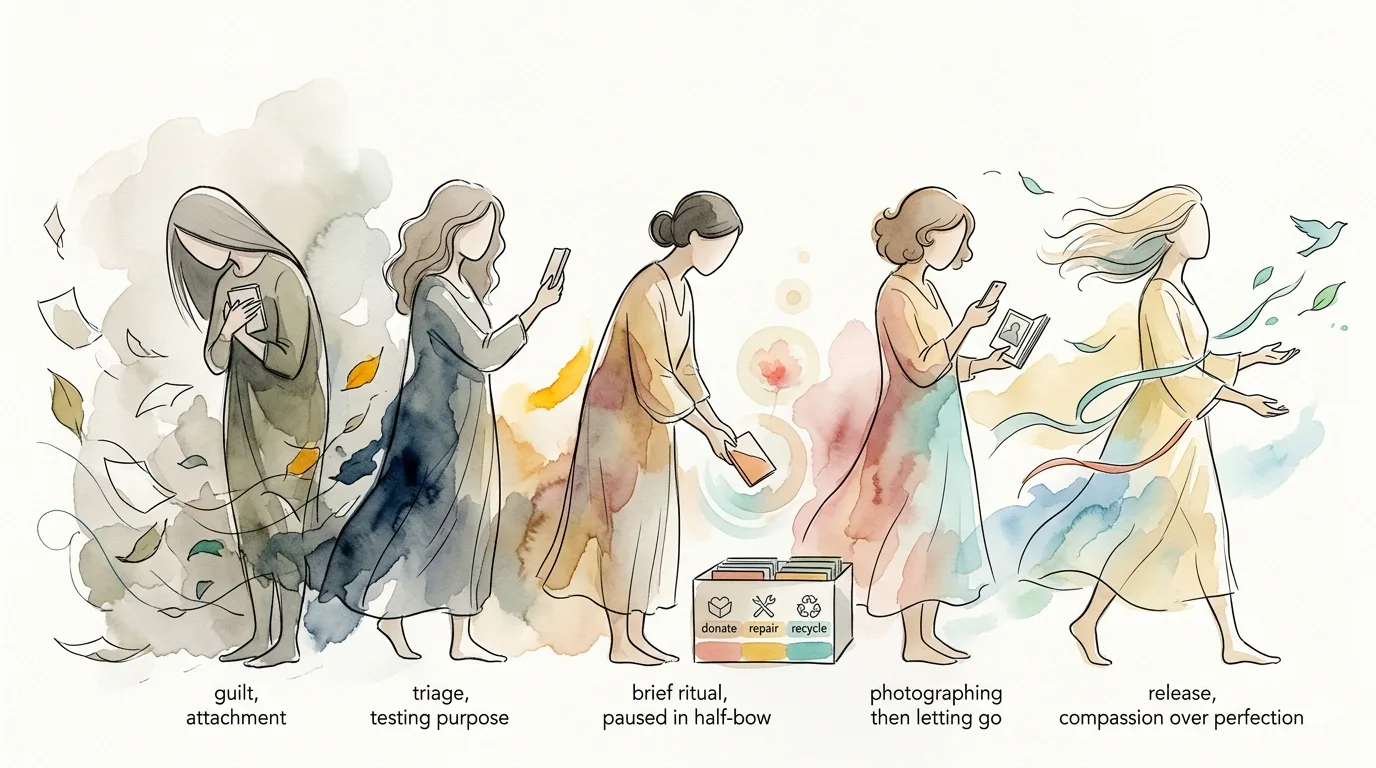
Write the answers down and place them where you’ll see them. This will protect your favorite things during the process and help you avoid guilt when you let go of other items. If you want help shaping that mindset, read this guide on building a minimalist mindset.
2. Do a 30-day, one-area audit (gentle and focused)
Pick one area — a closet, a single drawer, or a bookshelf — and commit 30 minutes a day for a week, or one full weekend. Don’t aim to finish the whole house. The small-scope audit reduces decision fatigue and gives quick wins.
How to decide:
- Keep: You use it weekly, it sparks joy, or it aligns with your values.
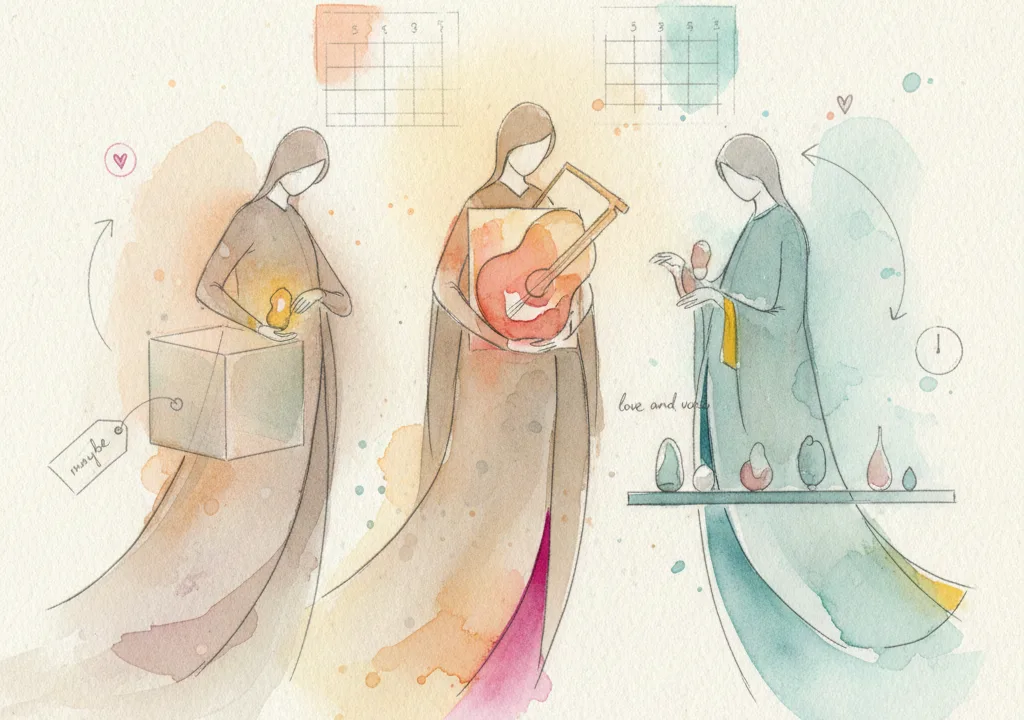
- Maybe: It’s seasonal, sentimental, or useful but rarely used — place these in a labeled box for 30 days.
- Let go: It’s unused for a year, duplicated, or broken (and not fixable affordably).
After 30 days, open the labeled box. If you didn’t miss an item, let it go. If you did, reassess whether it’s truly essential or simply comfort.
3. Create a “love and use” shelf for favorites
Instead of trying to prove value for every item, make a visible shelf or drawer for the things you adore and actually use. This celebrates your favorites and prevents them from being mistaken for clutter. A dedicated place also makes maintenance straightforward: if something doesn’t fit the shelf’s intent, it probably doesn’t belong.
4. Rotate instead of purge (especially for sentimental items)
Sentimental objects are the hardest to part with. Instead of discarding, rotate. Keep a small number of items on display and store the rest in a labeled memory box. Rotate every few months. Often, once something is stored, you won’t miss it — and if you do, it’s easy to bring it back.
5. Adopt tiny habits that stop accumulation
Small daily or weekly rituals beat one-off purges. Consider these low-resistance rules:
- The 48–72 hour pause: wait two or three days before new non-essential purchases. (If impulse is a problem, see the pause-rule habit method in this actionable guide: pause-rule habit.)
- One in, one out: for items that take up the same category (clothes, books, gadgets), let one go when one comes in.
- The 2-minute tidy: if a task takes under two minutes (fold a shirt, return a mug), do it now. These micro-actions keep surfaces clear and reduce the need for big cleans.
6. Replace “fewer things” with “better systems”
Minimalism is easier when your home supports it. Invest time in simple storage solutions, clear labels, and habit-friendly layouts (e.g., everyday dishes within reach). If organizing feels impossible, check these decluttering rules for people who hate organizing for straightforward methods that stick.
7. Build weekly maintenance into your routine
Schedule a 15–20 minute maintenance window each week. Use it to:
- Return items to their place
- Reassess the “maybe” box
- Donate or recycle one item
This small consistency keeps progress consistent and prevents overwhelm.
8. Re-evaluate every three months
Set a calendar reminder to look back. What’s working? Which non-negotiables feel heavy? Does your definition of “favorite” shift? Quarterly checkpoints let you fine-tune without pressure.
Real-life tactics that preserve favorites
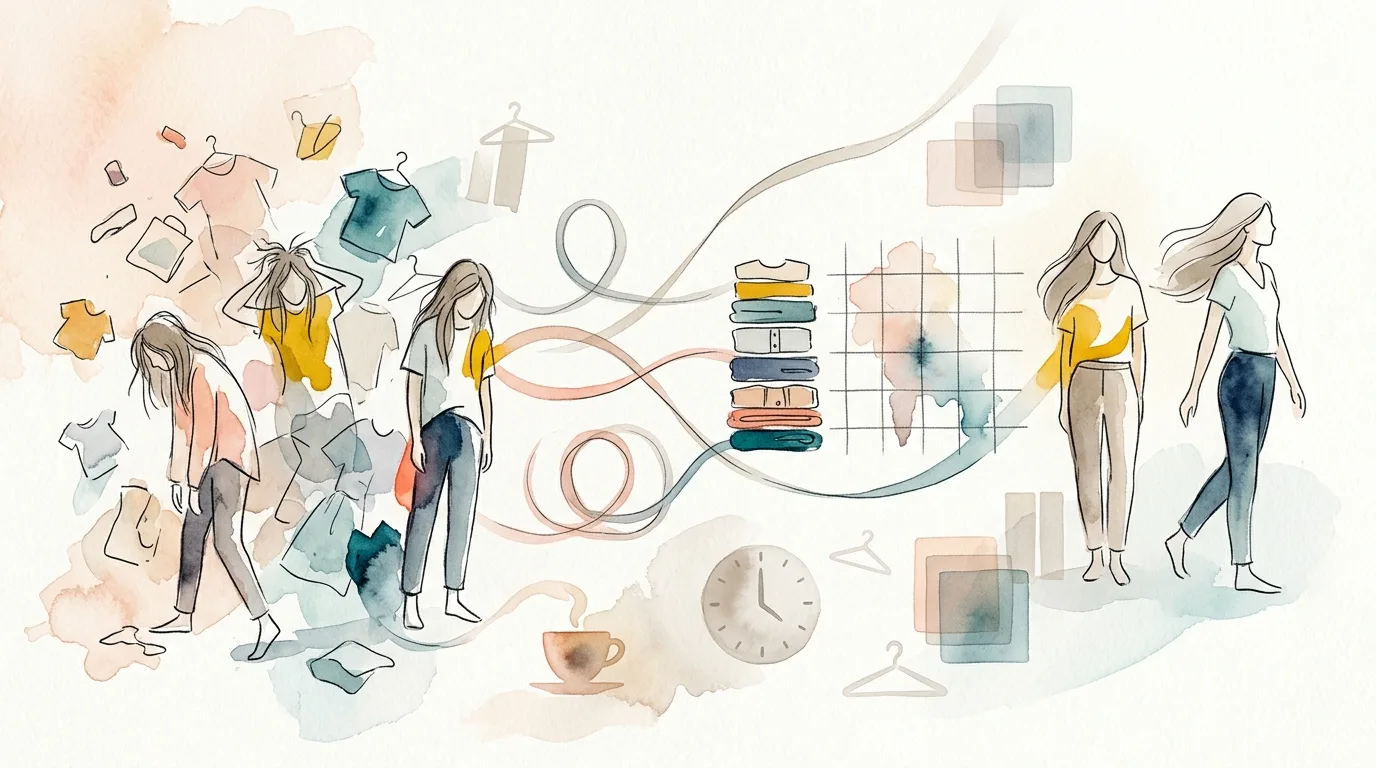
- Capsule collections: For clothes, create a seasonal capsule of outfits you love. Store the rest. You’ll wear favorites more often and notice items that never make the rotation.
- Photo the keepsakes: If an object holds memory but not function, a high-quality photo can keep the feeling without the clutter.
- Gift intentionally: If friends ask what you want, offer experiences or consumables rather than more stuff.
Common pushbacks (and how to handle them)
- “I’ll need it someday.” Try the 30-day box — if that someday doesn’t come, it’s probably safe to let go. Also ask: does keeping this item free up time or create friction?
- “But it’s sentimental.” Keep a curated selection. Rotate the rest. Consider digitizing letters, notes, or kids’ artwork.
- “I spent good money on it.” Cost sunk is not the same as present value. If it no longer serves you, its cost shouldn’t trap it in storage.
The payoff: more joy, not less
When minimalism is done thoughtfully, you end up with fewer decisions, less cleaning, and a clearer sense of what you value — while still enjoying the things that matter. The goal isn’t deprivation; it’s an intentional life where favorite objects live on display or in regular use, and everything else has a clear reason to be there.
Minimalism is a practice, not a deadline. Take the steps above at your pace, protect your non-negotiables, and let the clutter fall away naturally. Over time you’ll find that keeping your favorites actually becomes easier than keeping everything.