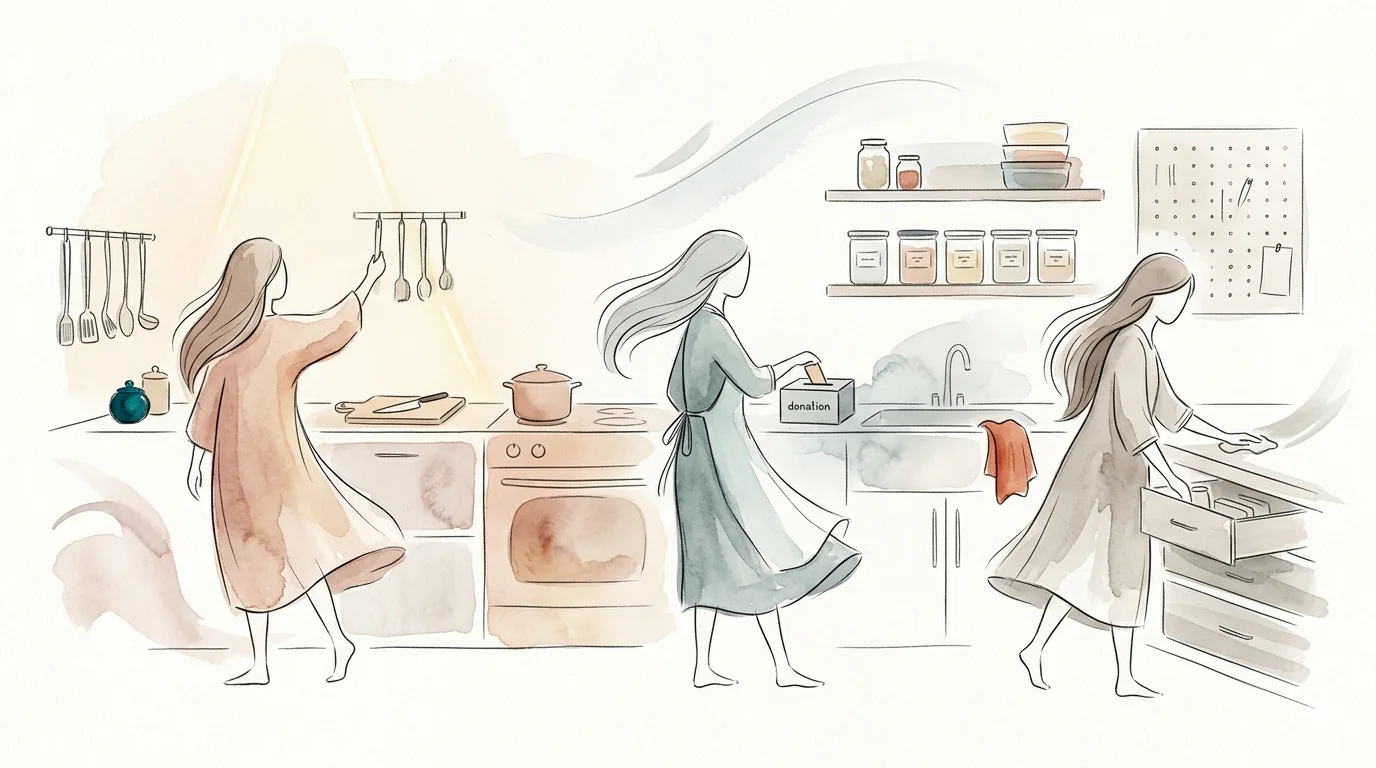
How to Declutter Small Kitchens Fast: A Room-by-Room Method
A fast zone-by-zone method to declutter small kitchens—time-boxed sprints, simple decision rules, and tiny maintenance habits to keep surfaces clear and usable.
Why a room-by-room approach works in a small kitchen
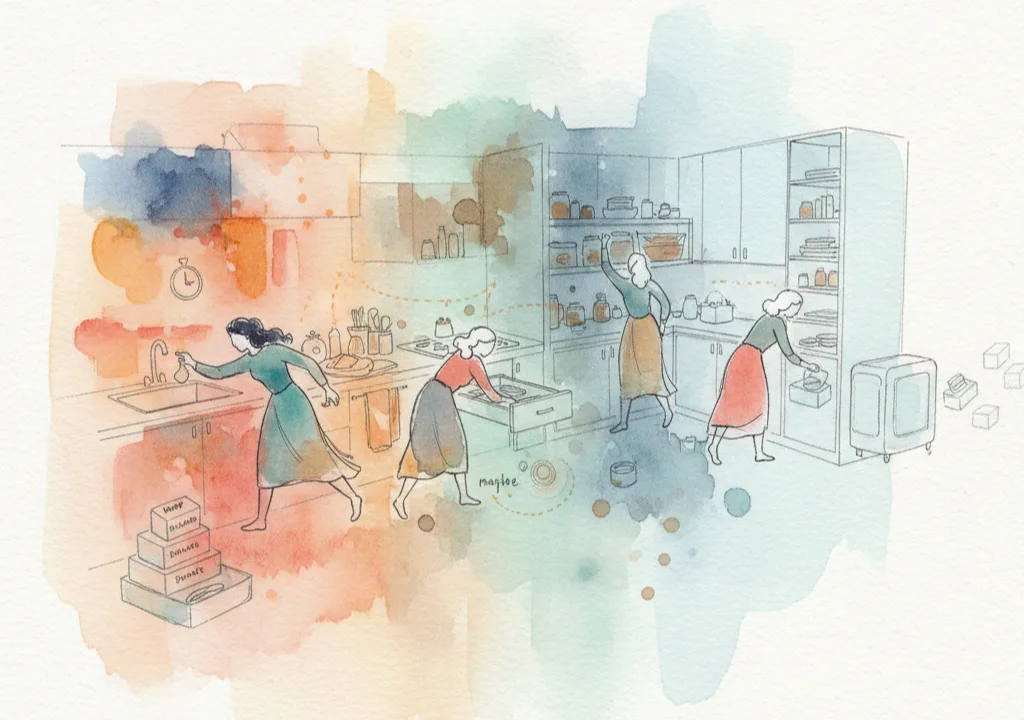
Small kitchens feel overwhelming because everything is visible and every item competes for limited space. The fastest way to declutter: treat the kitchen like a series of tiny rooms — zones you can clear one at a time. This room-by-room (zone-by-zone) method turns a giant, vague task into short, decisive wins you can finish in a morning.
Below is a fast, repeatable plan with rules you can use immediately. It combines time-boxing, simple decision rules, and tiny maintenance habits so your small kitchen stays usable and calm.
Before you start: tools and mindset
- Timer (phone or kitchen timer) — you’ll work in short sprints.
- Four boxes/bags labeled: Keep, Relocate, Donate/Sell, Trash.
- Cleaning cloth and spray (quick wipe-downs save time).
- A notebook or phone note to record anything that needs repair or replacement.
Mindset: aim for good enough, not perfect. Use strict decision rules (below) to force choices. If you stall on an item, put it in Relocate and come back at the end.
The core decision rules (use these every time)
- If you haven’t used it in 12 months, out it goes (donate or sell).
- If it’s duplicate and one does the job, keep the best one and donate the rest.
- If it’s broken and not worth fixing, trash it.
- If it belongs in another room, Relocate it now.
These quick rules remove guilt and speed up decisions. If you hate organizing, these are especially useful — they mirror the no-drama, low-effort approach from proven decluttering advice like decluttering rules for people who hate organizing.
The room-by-room (zone) plan — do it in this order
Do each zone in 20–30 minute blocks. Set the timer and don’t move to the next zone until the timer dings or the zone is clearly decluttered.
1) Countertops and sink area (20 minutes)
Counters are the kitchen’s visual real estate. Clear everything into your boxes and only return daily-use items (coffee maker, soap, one fruit bowl). Wipe the surface clean. A clear counter immediately makes the whole kitchen feel larger.
Quick wins:
- Keep only what you use every day on the counter (one appliance max).
- Move mail, keys, and unrelated clutter to Relocate.
2) The main prep zone (20–30 minutes)
Open drawers and cupboards around your main prep area. Pull everything out and sort fast: keep the essentials (knife set, cutting board), donate duplicate gadgets, trash broken utensils.
Organizing tip: nest small items in shallow trays so drawers stay orderly. If drawers are full of miscellany, create a “maybe” pile and re-evaluate later.
3) Pantry and food storage (30 minutes)
Empty shelves quickly — work shelf by shelf. Toss expired items, consolidate duplicates into one container, and group like with like (baking, snacks, canned goods).
Small-kitchen hack:
- Use clear bins for categories so items don’t get lost at the back.
- Move bulky, rarely used items to less-accessible storage (or donate).
4) Refrigerator (20 minutes)
Remove everything and check dates. Wipe shelves while they’re empty. Keep ready-to-eat items at eye level, raw foods below, and discard anything questionable.
Pro tip: Start a “use this week” shelf with leftovers and near-expiry items to reduce waste.
5) Small appliances and bulky items (20 minutes)
Lay out appliances and ask: do I use this at least once a month? If no, donate or store elsewhere. Only keep one or two specialty tools unless they’re part of your weekly routine.
6) Open shelving and display (15 minutes)
Limit visible items to what’s attractive and used often. If open shelves are messy, either style them simply or move items into closed storage.
How to finish fast: the 60–90 minute sprint option
If you’re short on time, do a 15-minute quick clear of countertops and sink, then a 45-minute sprint on the zone that causes the most friction (usually pantry or drawers). Use the timer, apply the core rules, and don’t reorganize in the middle of purging — sorting comes first, organizing second.
If you finish early, take five minutes to bag the Donate items and put Trash out. Leaving donations in the kitchen invites re-clutter.
Maintain your progress with tiny habits
Small routines keep a small kitchen functional. Commit to two tiny habits and the space will stay usable:
- Five-minute evening reset: clear counters, wipe the table, put things back in place. This routine prevents pile-up and is the simplest maintenance trick; pair it with your nightly routine to make it stick. Learn how to build this into your day with a five-minute evening reset habit.
- One-in-one-out rule for kitchen gadgets: if you buy a new tool, remove an old one immediately.
Other maintenance tips:
- Label pantry bins so everyone returns items properly.
- Keep a small donation box in the hallway; when it fills, drop it off.
Storage swaps that free real space
- Replace mismatched containers with a couple of stackable sets for better use of shelf height.
- Use a magnetic knife strip to free drawer space.
- Hang frequently used pots on a rail or store lids vertically to save shelf depth.
These swaps are inexpensive and disproportionately effective in tiny kitchens.
When to ask for help or accept limits
If you live with others, set a short, firm declutter session together and assign zones. If sentimental items slow you down, box them separately and set a 30-day revisit rule — if you don’t touch the box, donate its contents.
Finally, accept that a small kitchen has limits. The goal is functional calm, not a showroom. If you struggle to let go, read the simple rules mentioned above and focus on the feelings you want from your kitchen — ease, clarity, and space to cook.
Quick checklist to get started now
- Set a 20–30 minute timer for one zone.
- Gather four boxes: Keep, Relocate, Donate, Trash.
- Apply the 12-month/use-and-duplicate rules to everything you touch.
- Do a five-minute evening reset every night.
Decluttering a small kitchen fast is less about ruthless purging and more about clear rules, short sprints, and tiny maintenance habits. Use the zone-by-zone plan, stay decisive, and your kitchen will feel bigger and more usable in a single morning.