Top 7 Minimal Cleaning Hacks to Keep Every Room Feeling Spacious
Seven minimal cleaning hacks with tiny habits and quick actions to make every room look and feel more spacious.
How small cleaning habits make every room feel spacious
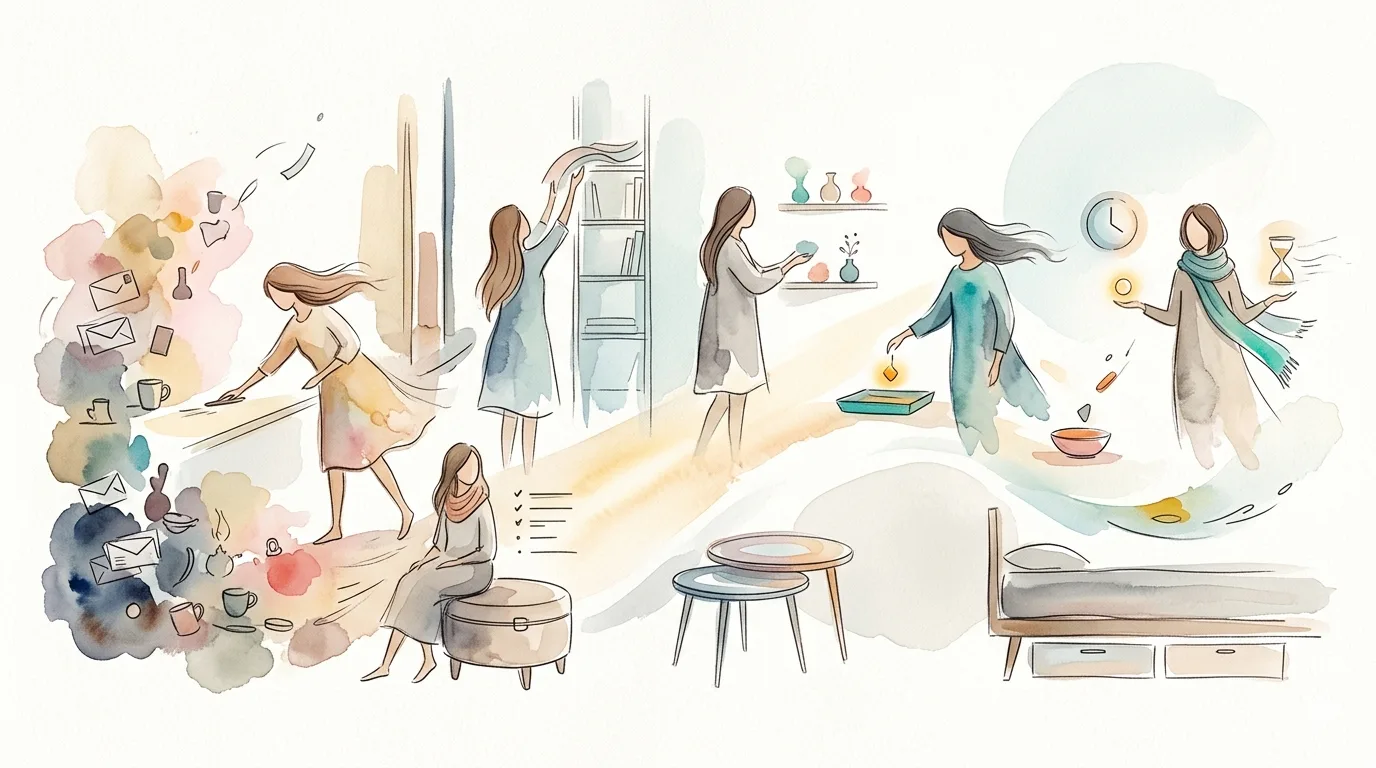
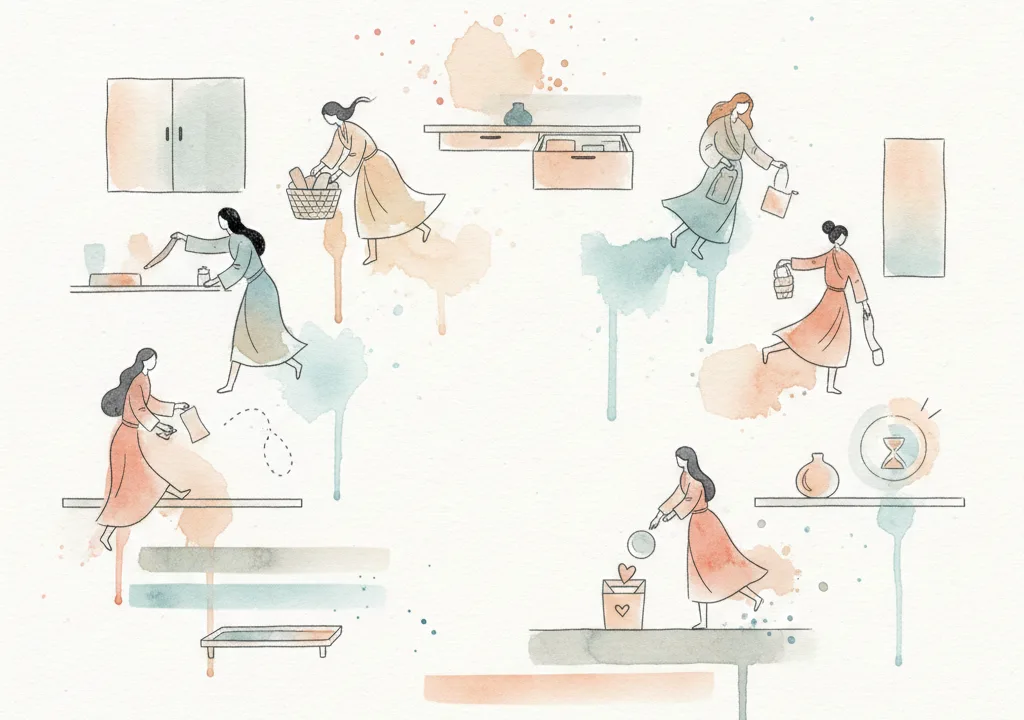
A room doesn’t need a renovation to feel larger — it needs fewer visual distractions and a few smart habits. The difference between a cramped and a calm room usually comes down to five minutes of maintenance, a mindful edit of what stays on display, and storage choices that disappear instead of shout.
Below are seven minimal cleaning hacks that change how every room looks and feels. Each hack includes a short habit you can adopt today so the effect stacks over time.
1. Clear the horizontal real estate first
Surfaces — counters, coffee tables, nightstands — are visual anchors. The moment they collect papers, chargers, and trinkets the room looks busy. Adopt a daily 2–5 minute clear-surface habit: pick one surface each day, remove everything that doesn’t belong, and return only three things max (a lamp, one book, a small plant).
Tiny habit: After your morning coffee, scan the living room table and put everything in a basket for relocation. Empty the basket later that day.
Why it works: When the eye finds empty space, a room reads as larger. This is the fastest way to create a feeling of air and order.
2. Make storage invisible
A small, consistent rule: if you can’t hide it, reduce it. Swap open bins and clear boxes for woven baskets, drawer organizers, or furniture with closed fronts. Everything that isn’t decorative should be contained.
Action step: Go room by room and replace three transparent containers with opaque ones or closed furniture. Label the insides so you’ll still find things quickly.
Tiny habit: Each evening, return items you used during the day to their hidden homes before you sit down to relax.
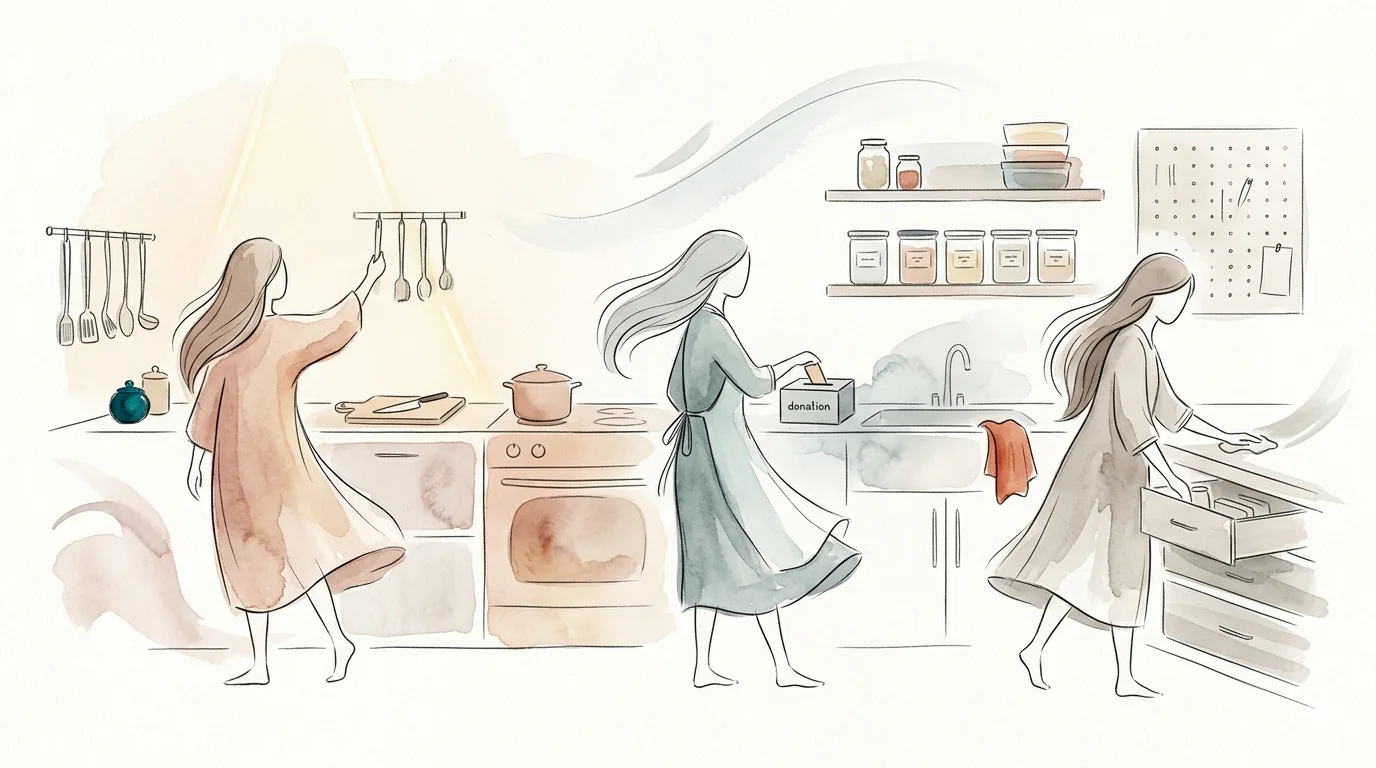
3. Use the one-in, one-out donation box
Clutter creeps in slowly. Keep a donation box in a discreet corner and drop one item in every time you bring something new home. When the box fills, schedule a 10-minute drop-off.
Tiny habit: When you buy or receive something new, put one similar item in the donation box the same day.
Why it works: It creates a low-friction rule that prevents accumulation without massive decluttering days. If you want a guide for maintaining this kind of habit alongside simple systems, check out simple home organization hacks.
4. Make the floor your priority
A visible floor adds perceived room. Clear floors immediately and you’ll be amazed at the spatial shift. Remove shoes, toys, and stray cords first — everything else can wait.
Action step: Keep a shallow shoe tray by the door and a single basket for daily items (mail, keys, masks). Sweep or vacuum clear floor zones twice a week.
Tiny habit: Before bed, do a 60-second floor sweep in the main living area.
5. Limit decor to a focal point
Too many decor pieces fragment attention. Pick one focal area per room — a mantel, shelf, or wall — and keep it curated. Rotate items seasonally instead of displaying everything at once.
Action step: Edit each shelf down to three meaningful objects. Box the rest and store them by season.
Tiny habit: Once a month, swap one item from storage onto the shelf and store another.
6. Adopt a five-minute evening reset
A short, consistent reset at the end of the day prevents clutter from accumulating overnight. Spend five focused minutes straightening, wiping surfaces, and returning items to their homes.
Action step: Create a five-minute checklist for the main living areas: clear surfaces, fold a throw, put dishes away, wipe high-touch spots.
Tiny habit: Pair this with something you already do at night (like brushing your teeth) so the reset becomes automatic. If you want a ready routine to follow, see the five-minute evening reset habit.
7. Embrace strategic minimalism for storage
Not every container needs perfect alignment — it needs to be intentional. Edit storage by usage, not by size: keep everyday things easy to reach and hidden, less-used items in labeled bins, and sentimental items off the floor.
Action step: Set a 20-minute timer and rearrange one closet or cabinet so daily items are at eye level, seasonal items higher, and rarely-used things lower or boxed.
Tiny habit: Once a month, quick-audit one storage space and remove anything you haven’t used in six months.
Putting the hacks together: a weekly 15-minute routine
These hacks work best when combined into a lightweight weekly practice. Here’s a simple menu you can follow in 15 minutes:
- 5 minutes: clear surfaces in two key rooms.
- 5 minutes: five-minute evening reset in living room + kitchen.
- 5 minutes: quick storage spot audit (one drawer or shelf).
Consistency beats intensity. If you’re juggling a busy life, adapt this into the minimalist-cleaning schedule that fits your week and energy levels; for deeper scheduling ideas that work for full weeks, see the minimalist cleaning schedules for busy homes.
How to make these habits stick
- Stack them: Attach a tiny cleaning habit to an existing routine (after breakfast, after dinner, or before you shower).
- Track progress: A simple habit sticker on a calendar is enough to build momentum.
- Reduce decision fatigue: Keep only the storage and decor choices you like — fewer options means fewer decisions.
A spacious-feeling home isn’t a one-time outcome; it’s a series of small choices that add up. These seven minimal cleaning hacks require little time but shift the visual weight of your rooms, giving you the calm, airy spaces that make living simpler and more pleasant.
Start with one hack this week, make it a tiny daily ritual, and watch how quickly your home begins to breathe.