The Simple Home Organization Hacks That Actually Stick
Discover easy, practical home organization strategies that are sustainable and genuinely simplify your life without adding stress.
Why Simple Systems Stick
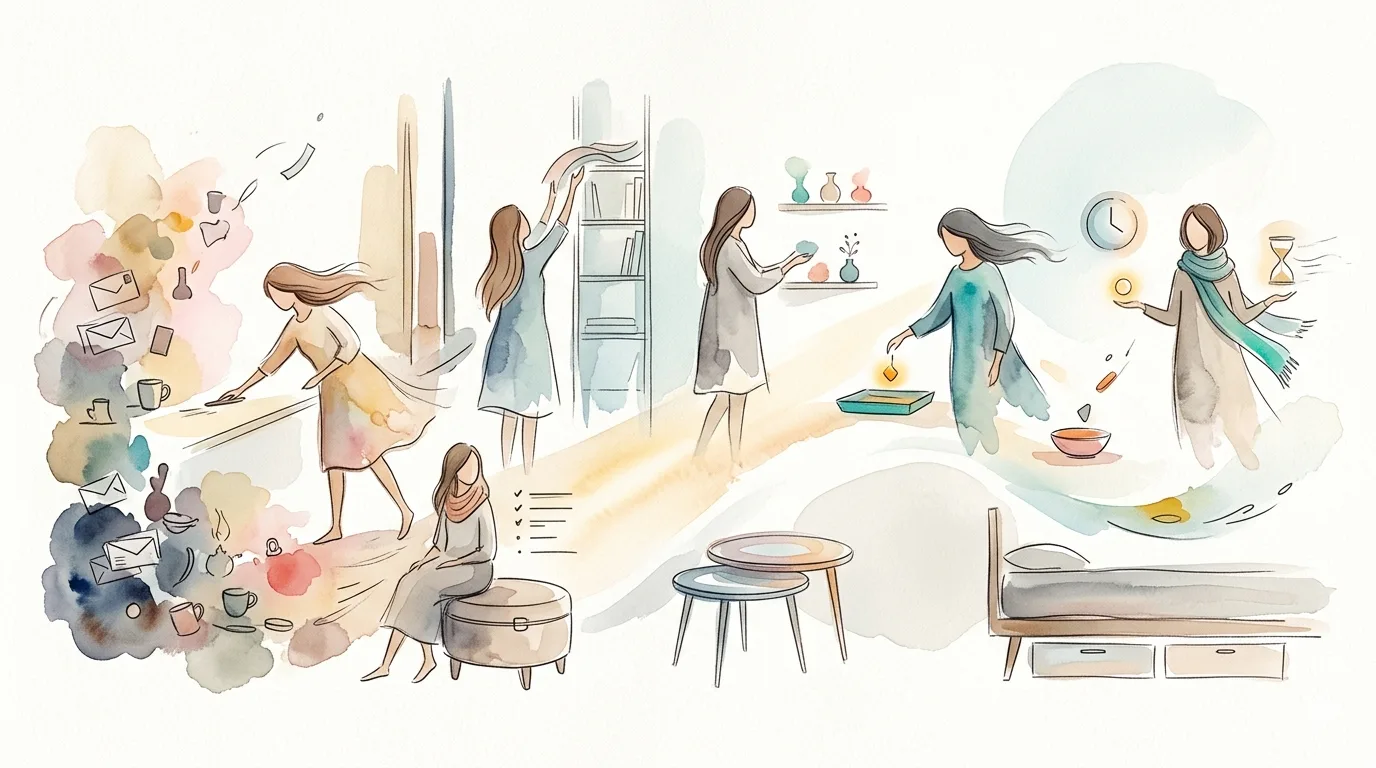
Organizing your home can feel like an endless cycle. You declutter one shelf, and two days later, it’s back to chaos. The truth is, most organization systems fail not because they are bad, but because they don’t fit the way we actually live. To create spaces that stay tidy, the key isn’t perfection—it’s simplicity.
Here are practical, hacks that will make your home feel lighter, cleaner, and more intentional, without overwhelming your daily routine.
1. Start With What You See Every Day
Most people tackle organization in big bursts: the closet, the garage, the storage room. The problem? Out of sight, out of mind. Instead, focus on the areas you interact with daily—kitchen counters, bedside tables, and living room surfaces.
A simple method is to ask: “Does this item make my everyday life easier or more joyful?” If the answer is no, it doesn’t belong there.
Example: Instead of sorting the entire pantry at once, start with the snack shelf that the kids raid. Remove expired items, group similar snacks, and place them in clear containers. Not only is it manageable, but it’s also immediately rewarding.
This approach mirrors the philosophy in Tiny Habits That Improve Your Day Immediately, where small, consistent actions create lasting change.
2. Give Every Item a Home
Clutter often persists because objects don’t have a designated place. If there’s no home for an item, it will end up on a counter, chair, or floor.
Hack: Assign a home for everything. This doesn’t mean forcing items into drawers or bins—they should be easily accessible and logical for your daily routines.
- Keys: near the door in a small bowl or wall hook
- Mail: a single inbox tray on a counter
- Remote controls: a basket on the coffee table
Once every item has a home, putting things away becomes automatic rather than a chore. Over time, it reduces decision fatigue and keeps spaces consistently tidy.
3. Embrace the Power of Vertical Space
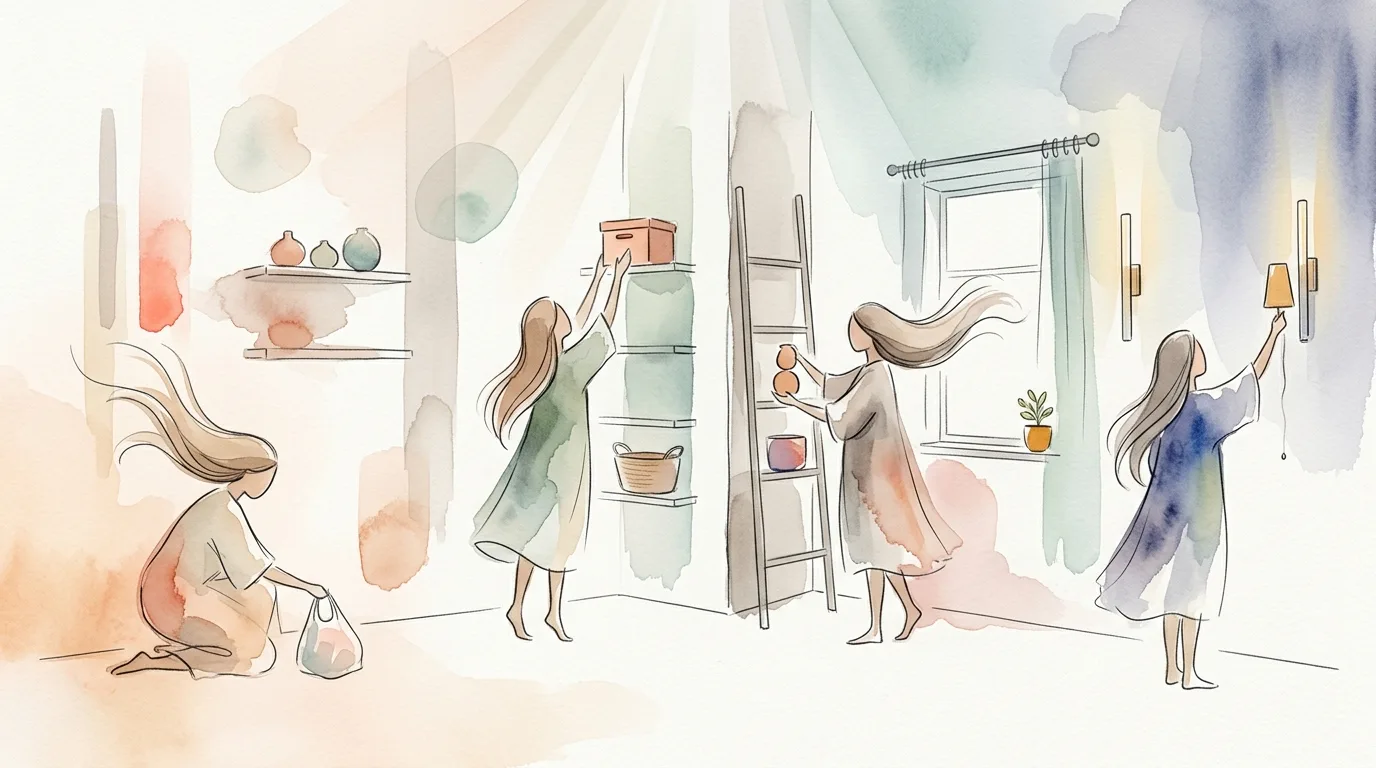
Most homes are underutilized vertically. Shelves, hooks, and wall organizers can transform crowded areas into functional, streamlined spaces.
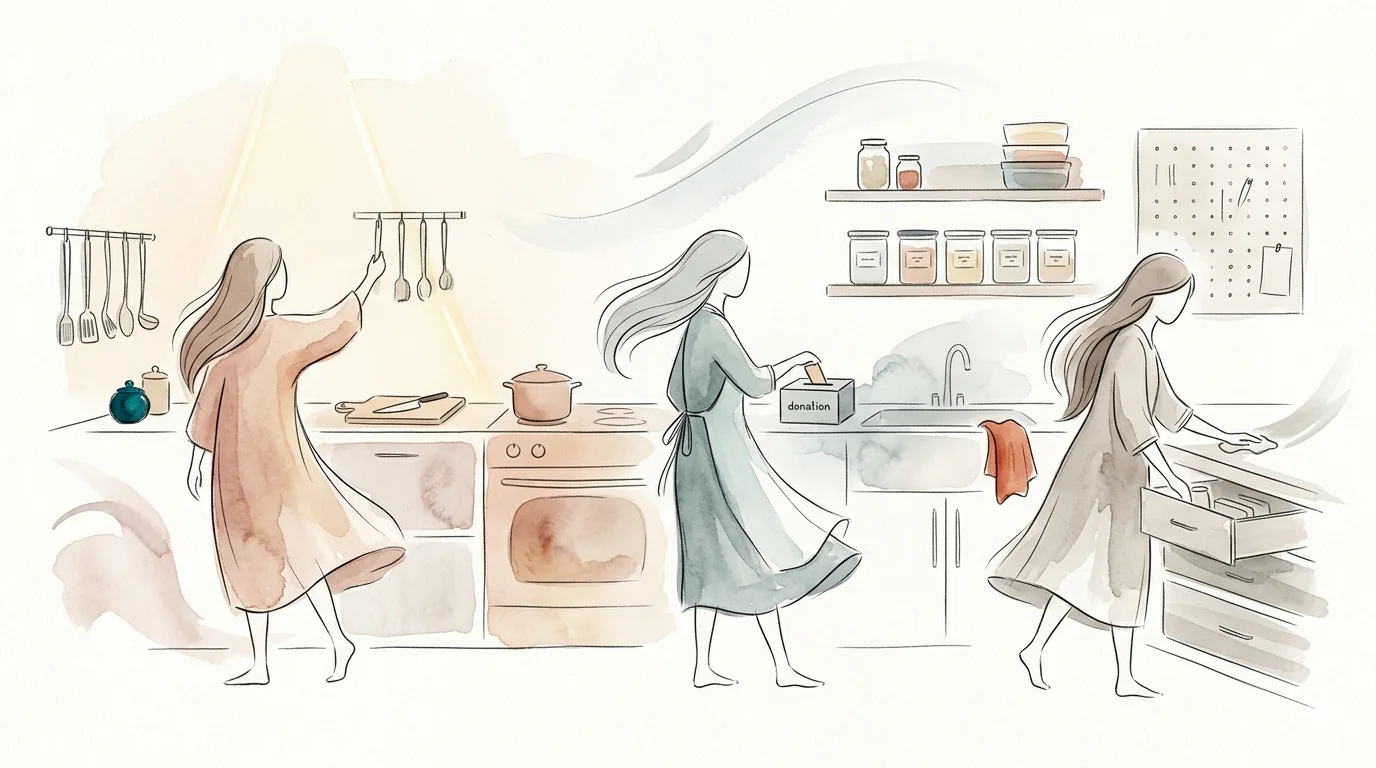
Example: Instead of piling papers on your desk, hang a wall-mounted organizer for bills and important documents. In the kitchen, use hooks under cabinets for mugs or utensils. Not only does it free counter space, but it also makes the home feel more open.
This ties into principles of minimalism and simple living, where the goal is to reduce friction in daily tasks by designing spaces that work with you, not against you.
4. Limit the Containers You Buy
It’s tempting to buy fancy bins, baskets, and drawer organizers for every clutter problem. Often, this creates more work and more clutter.
Hack: Start with what you have. Boxes, jars, or baskets can be repurposed. The trick is consistency—use the same style or color for similar storage categories, so your eyes immediately recognize what goes where.
- Uniform bins in closets make it obvious which items belong together
- Matching jars in the pantry streamline the look and make it easier to see when you’re running low
By keeping containers simple and uniform, you reduce visual noise and make organization easier to maintain.
5. Create “One-In, One-Out” Rules
Sustaining organization requires boundaries. The “one-in, one-out” method is simple: for every new item you bring into the home, remove an old one.
Example: Buy a new shirt? Donate or repurpose an old one. Pick up a new kitchen gadget? Rehome something you rarely use.
This not only prevents accumulation but also reinforces mindfulness around your belongings—a theme explored in Why Letting Go Feels Like Starting Over. Each decision becomes intentional, rather than reactive.
6. Make Cleaning Part of Your Routine, Not a Project
Organization isn’t about occasional deep cleans—it’s about habits. Spending 5–10 minutes daily on a targeted area can prevent mess from taking over.
Hack: Pick a “hotspot” each day and tidy it. For example:
- Monday: Kitchen counters
- Tuesday: Entryway
- Wednesday: Living room surfaces
By rotating small cleaning sessions, the home stays consistently organized without feeling like a massive project. This mirrors the effectiveness of The 5-Minute Habit That Gives Long-Term Results, emphasizing short, regular actions over sporadic effort.
7. Store Items Where They Are Used
One of the biggest mistakes in organization is storing items far from where they are needed. This creates friction and leads to items being left out.
Example:
- Keep dish towels near the sink, not folded in a far-away drawer
- Store kids’ art supplies in a cabinet they can reach, not in the attic
This principle makes tidying up faster and naturally reinforces habits of putting things away immediately.
8. Keep It Visible (But Not Cluttered)
Minimalism doesn’t mean empty spaces—it means intentional visibility. Items used daily should be within sight; items rarely used should be stored.
Hack: Use clear containers, open shelving, or labeled baskets. Your brain can process what’s where instantly, reducing stress and decision fatigue.
Over time, this subtle approach makes your home feel lighter without dramatic purges or expensive redesigns.
Final Thoughts
True home organization isn’t about perfection or Instagram-ready shelves. It’s about systems that adapt to your life and habits. By starting small, assigning homes, using vertical space, and embracing daily micro-habits, you can create a home that feels peaceful, functional, and easy to maintain.
The key is sustainability. Any hack that requires heroic effort or constant maintenance is unlikely to stick. Instead, choose simplicity, consistency, and intentionality—and your home will naturally follow.