How to Create a Calm Entryway: Quick Declutter and Habits
Create a calm entryway with a fast declutter checklist, simple storage choices, and tiny daily habits that keep clutter from coming back.
A calm entryway changes how you arrive and leave
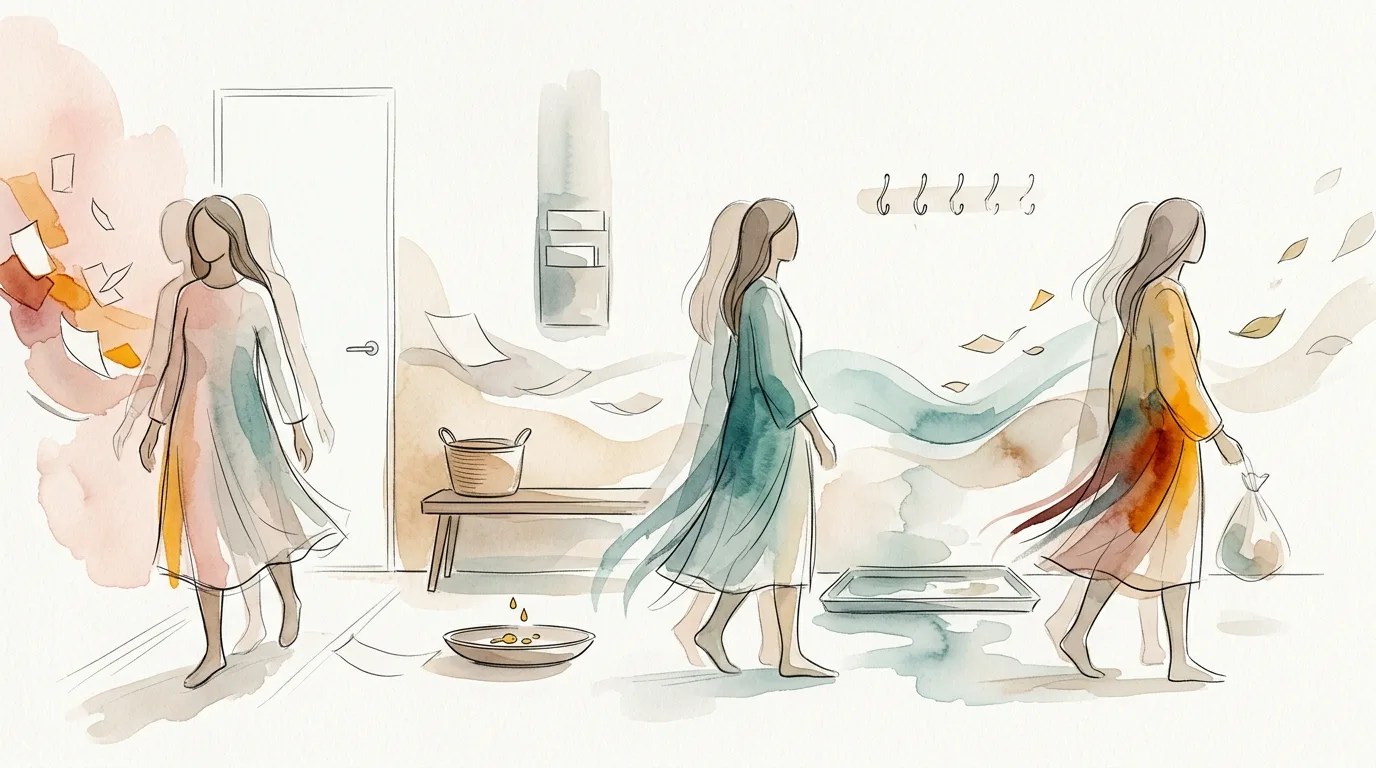
The moment you open your front door should feel like a small reset, not a to-do list. An entryway that greets you with order and breathing room reduces decision fatigue, prevents small piles from growing into chaos, and quietly signals that your home is a place for rest. This post gives a fast declutter checklist you can finish in one session plus the tiny habits that keep your entryway calm day after day.
The one-session declutter: 20–30 minutes to visible calm
If your entryway has become the household drop zone, don’t panic. Set a 20–30 minute timer and follow these focused steps. The goal is visible calm—not perfection.
What to gather first
- A laundry basket or bin for items that belong elsewhere
- A small box or bag for donations
- A trash bag
- A notepad or phone note for decisions you can’t make quickly
Fast, decisive rounds
-
Clear surfaces (5 minutes): Remove everything from the console table, bench, or floor. Put items that belong elsewhere in the laundry basket. Trash gets tossed. If something needs a decision (keep, donate, unsure), drop it in the notepad for later.
-
Sort by purpose (7–10 minutes): Group what’s left into clear piles: daily essentials (keys, wallet, phone), footwear, outerwear, bags, mail/papers, and miscellaneous. Ask one question for each item: “Does this belong here and is it used regularly?” If no, move it.
-
Ruthless edit (5–8 minutes): For each pile, apply this simple rule: keep only what you use regularly at the door. Donate or relocate duplicates, old receipts, and items that create visual noise.
-
Return intentionally (3–5 minutes): Put back only the essentials. Place keys in a bowl or hook, shoes on a mat or in a basket, and coats on a designated hook. Leave one or two decorative items at most—your eye needs a place to rest.
This quick sweep will create immediate relief. The entryway won’t be perfect, but it will be usable—and that’s what encourages consistency.
Small storage choices that make a big difference
The right storage reduces friction and makes habits stick. You don’t need expensive solutions—just purposeful choices.
Recommended, low-effort setups
- A small tray or bowl for keys and loose change. Designate one home for keys.
- A bench with hidden storage or a basket under the bench for shoes. Containment reduces clutter.
- A row of wall hooks for coats, backpacks, and a daily bag. Hooks are more forgiving than closets.
- A slim mail sorter or wall pocket to prevent paper piles.
If you want more ideas to match your style and space constraints, this short guide on simple home organization hacks has solutions that actually stick. Use one strategy from that list and keep it simple—too many systems cause decision fatigue.
Daily micro-habits: 2 minutes that prevent relapse
Long-term calm is built from tiny, repeatable actions. Pick one or two of these micro-habits and attach them to your daily routine.
1. The 30-second doorstep reset (morning and night)
When you arrive home, spend 30 seconds putting your keys and phone in their homes and hanging up your coat. When you leave at night, do a 30-second check: shoes tucked, mail in the sorter, and surface clear. These small acts stop piles from forming.
2. The one-item rule
Every time you bring something new into the house through the front door, remove one item. This is a simple version of “one-in-one-out” that keeps circulation steady.
3. Habit stack to an existing routine
Attach your reset to something you already do—after you hang up your coat, make your bed or wash your hands. Habit stacking makes a new behavior automatic faster.
4. A 5-minute evening reset
Spend five minutes before bed returning misplaced items from the laundry basket and dropping that donation bag in the car. If you want a targeted evening habit that prevents clutter, try linking it to your nighttime routine. For a guide on building short, impactful nightly routines, see the five-minute evening reset habit.
Visual rules that reduce decision fatigue
Design visual boundaries and simple rules so your brain can operate on autopilot.
- Use a single surface for keys and wallet. When it’s full, something must go.
- Limit shoe storage to one or two pairs per household member for the entry zone; other shoes go in a closet.
- Keep colors and textures muted near the door so small items don’t stand out as clutter.
These rules aren’t about removing personality—they’re about giving your eye a place to rest. The fewer choices your brain must make at the door, the calmer your arrival feels.
Handling common sticking points
Even the best routines hit resistance. Here’s how to navigate predictable problems.
Mail and paperwork
Set a two-step rule: sort immediately (recycle junk, shred sensitive items, put bills in a single folder). If you struggle, place an inbox away from the door so mail doesn’t accumulate at the threshold.
Kids and other family members
Create kid-friendly storage at their height: a hook for backpacks and a low basket for shoes. Make the rules visible—simple labels or pictures work well for younger children.
Shoes and weather gear
A waterproof bin or tray catches wet boots and keeps floors clean. Rotate seasonal items: only keep current-weather essentials by the door.
Turning small wins into a habit system
Consistency beats intensity. Use these habit design tips to make your entryway care automatic.
- Start with one tiny habit (30-second reset). When it feels natural, add another.
- Use a visible cue: a hanging hook, an empty bowl, or a mat can prompt behavior.
- Track 7 days in a row—visual progress reinforces continuation. Keep the streak short and achievable so it doesn’t feel like a chore.
Remember: a calm entryway is about lowering friction. The fewer steps it takes to put something away, the more likely you are to do it.
Maintenance: the monthly quick purge
Once a month, spend 10 minutes scanning the entryway for extraneous items—old flyers, mismatched gloves, or forgotten shopping bags. Use a simple rule: if it hasn’t been used in the last month and it lives in the entry, it probably doesn’t belong there.
This monthly check prevents small habits from backsliding into clutter and is a great time to move the donation bag out the door.
Final takeaway: design for behavior, not perfection
A serene entryway isn’t a one-time makeover—it’s a system of small, intentional choices. Start with a quick declutter, choose one or two low-effort storage solutions, and build tiny habits that attach to routines you already have. Over time those tiny wins compound into lasting calm. Make the easiest choice the default, and your home will do half the work for you.