Top 10 Quick Decluttering Habits to Make Your Home Feel Calmer
Ten tiny, repeatable decluttering habits — from a 2-minute sweep to a weekly five-item purge — that make your home feel calmer without weekend marathons.

Small habits, big calm
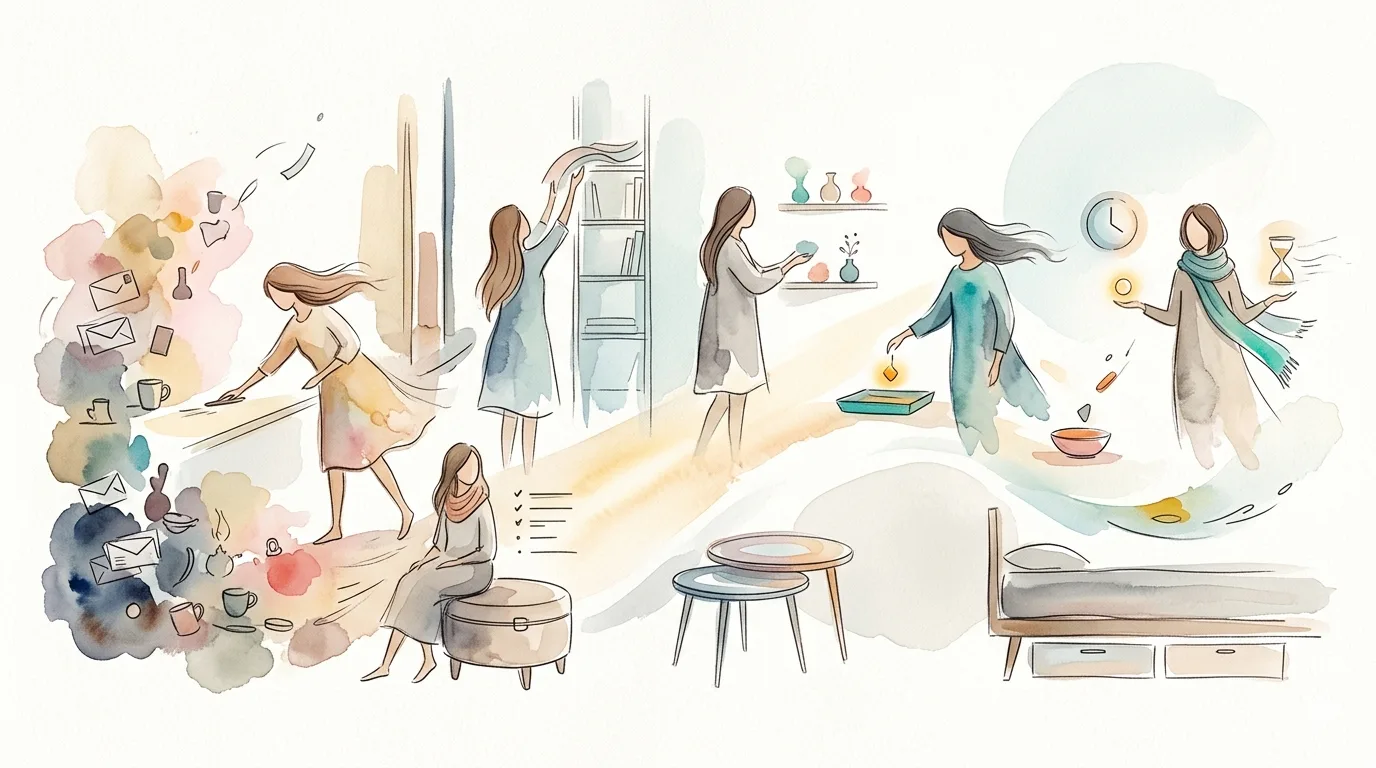
A cluttered home doesn’t always come from a single dramatic buy — it builds quietly: receipts on the counter, a pile of mail, a stack of unmatched socks. The good news is that this slow accumulation can be undone just as quietly, with short, repeatable habits that shift your environment and your daily rhythm. Below are ten quick decluttering habits designed to make your home feel calmer in minutes a day, not weekends lost. Each habit includes a why, how, and a tiny-habit-friendly way to start.
The 10 habits (fast, repeatable, calming)
1. The 2-minute curbside clear
Why: Small visual clutter compounds. Ten surfaces with a single misplaced item each create a frantic energy. How: Spend 2 minutes once or twice a day returning items to their homes — put away shoes, toss wrappers, hang jackets. Tiny start: When you enter a room, set a phone timer for 2 minutes and do a rapid sweep. Use the 2-minute rule as a mental trigger: if it takes less than two minutes, do it now.
2. Put one thing away when you pick one up
Why: Clutter often happens because we displace items rather than replacing them. How: If you take a mug to the couch, carry a stray cushion back to the sofa or return a magazine to its stack on your way to the kitchen. Tiny start: Make this your habit when moving from one room to another — even one item reduces drift.
3. The five-minute evening reset
Why: Waking up to a calmer home sets the tone for the whole day. How: Spend five minutes before bed resetting the main living areas: gather dishes, fold a throw, arrange cushions, and clear surfaces. Tiny start: Keep a basket by the door to collect stray items — empty it during your five-minute reset. If you want a ready method for building this into your day, try a simple evening routine explained in this guide: build a five-minute evening reset.
4. One-in, one-out for small things
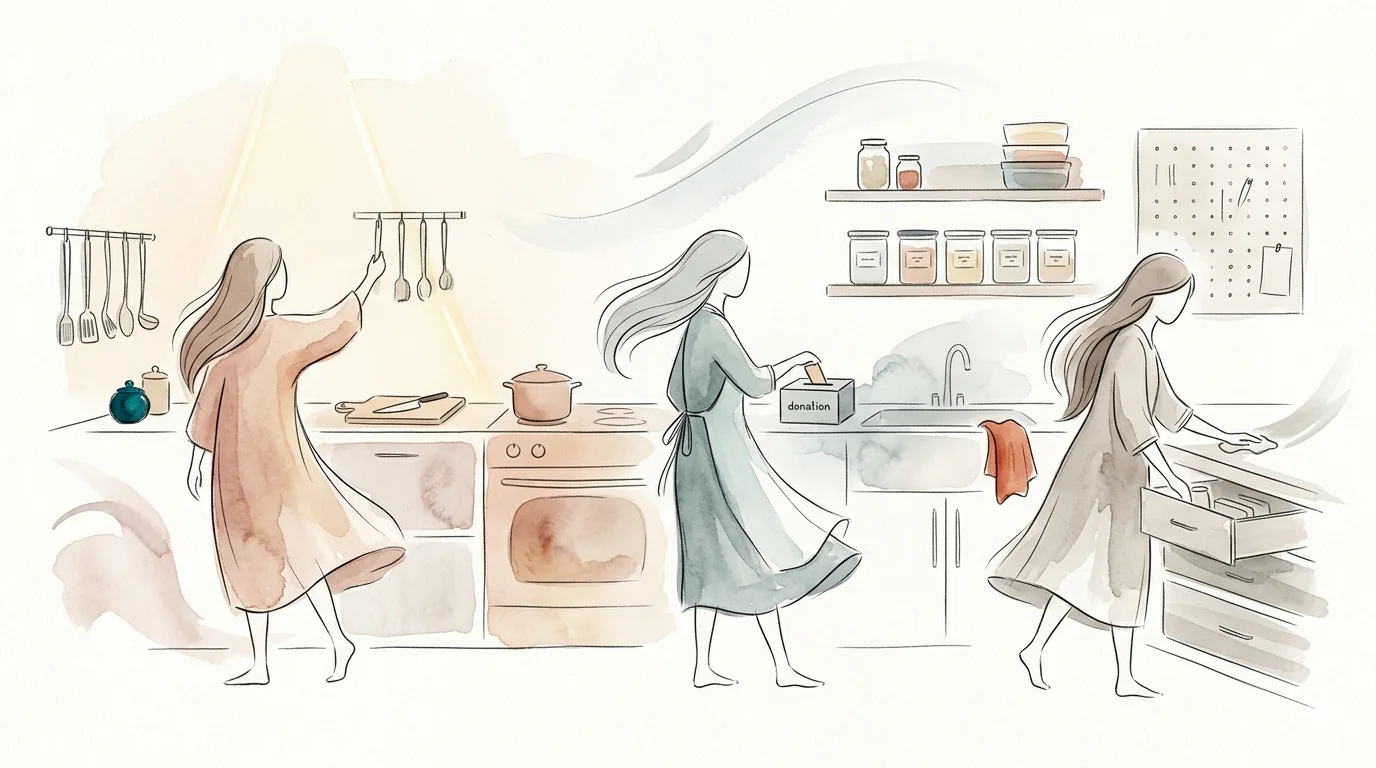
Why: New items silently increase mental load. How: For things that don’t add long-term value (decor items, cheap duplicates, impulse buys), adopt a one-in, one-out rule: when something enters, something similar leaves. Tiny start: Use a small box for outgoing items. When it’s full, donate it — that single act feels rewarding and prevents pile-up.
5. The “surface surrender” rule
Why: Flat surfaces are visual magnets for clutter. How: Choose the one surface that must stay clear (kitchen counter, dining table, or entry console). Commit to never leaving nonessential items there overnight. Tiny start: If you put something there during the day, make it part of your two-minute curbside clear to move it before bed.
6. Single-purpose zones
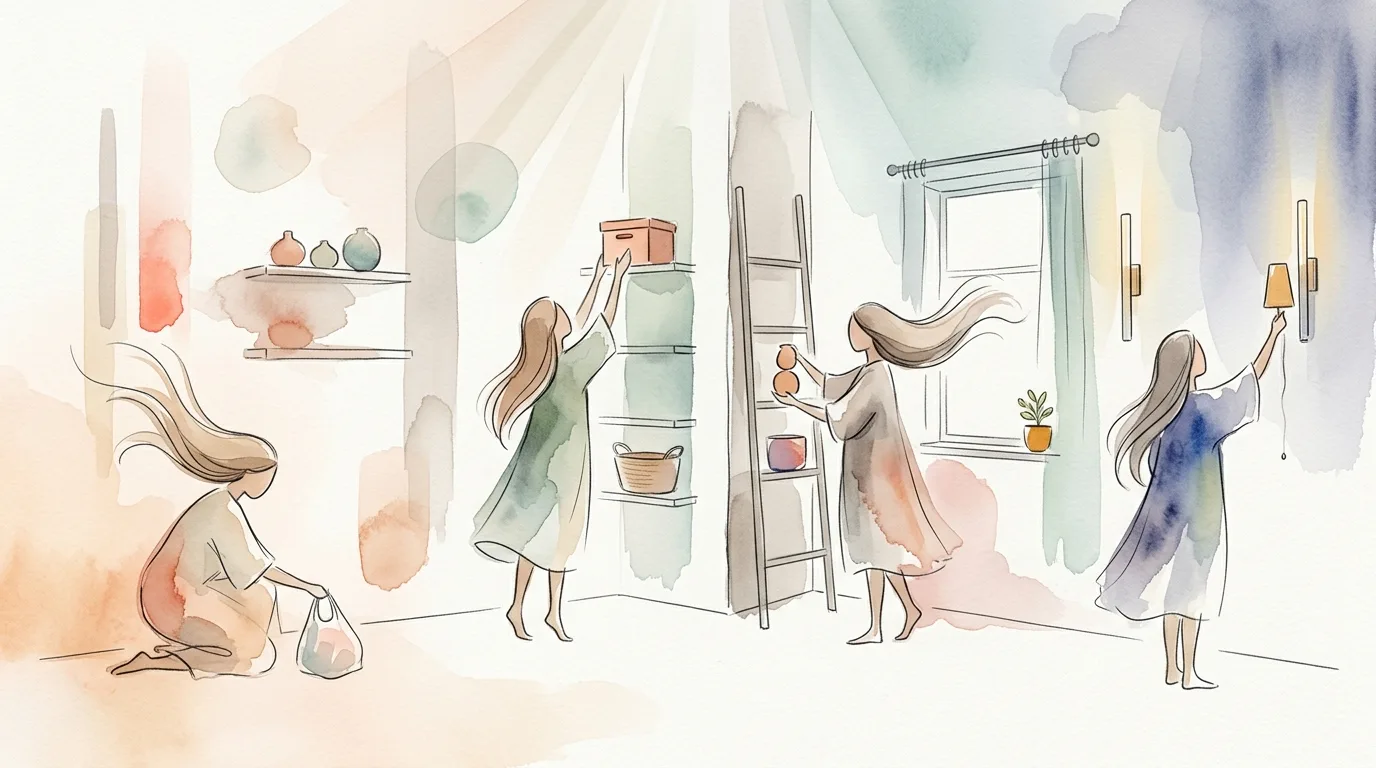
Why: When things have a dedicated home, they’re easier to return. How: Create small, obvious zones for common items — a charging basket for devices, a shoebox by the door, a mail inbox. Tiny start: Pick one area to organize this week. Label it or use a visible tray so everyone in the household knows where items belong.
7. A 60-second wardrobe refresh
Why: Clothing clutter makes mornings feel chaotic. How: Spend 60 seconds each night making a quick decision: hang or place the outfit you’ll wear tomorrow, and identify one item to donate or wash. Tiny start: Habit-stack this with your evening teeth-brushing routine: while you brush, set out tomorrow’s outfit.
8. The “keep it or let it go” three-question check
Why: Decisions stall and items linger when you can’t choose. How: When facing an item, ask: Have I used it in 12 months? Does it bring daily value? Would I buy it again today? If two answers are no, it’s time to let go. Tiny start: Use this for mail, kitchen gadgets, and decor. Make the rule fast — a quick decision beats hopeless indecision.
9. A quick mail triage habit
Why: Paper is one of the fastest clutter generators. How: Deal with mail immediately: recycle junk, file important papers, and add action items to a short-lived to-do list (email, bill, reply). Tiny start: Keep a small shredder or recycling bin near your entry and allocate 60 seconds when you open mail to sort it.
10. The weekly five-item purge
Why: Regular, small purges prevent overwhelm and preserve progress. How: Once a week, set aside 10 minutes to remove five items from the home — broken, unused, or replaceable. Tiny start: Put a sticky note on your calendar or phone reminder for a fixed weekly slot and make it a tiny, visible win.
Make these habits stick (the psychology behind it)
Short habits win because consistency builds identity. Doing one small thing daily — rather than a marathon declutter — rewires your environment and how you see yourself. Three elements make habits durable:
- Cue: Attach the habit to something that already happens (your morning coffee, brushing teeth, arriving home).
- Reward: Notice the immediate payoff — a clear counter, an empty basket, less visual noise. Celebrate the calm.
- Simplicity: Keep the action tiny so you don’t skip it. Two minutes beats perfect but rare.
If the habit feels like friction, make it smaller. For example, if a five-minute evening reset feels heavy, start at one minute and add 30 seconds each week.
Habit stacking examples
- After you hang your coat (existing routine), do a 2-minute surface sweep (new habit).
- After you pour morning coffee, put one stray item in its place.
- After dinner plates go in the dishwasher, spend 60 seconds clearing the table.
These micro-connections turn isolated attempts into dependable systems.
When will you notice a difference?
Usually within a week you’ll feel lighter; surfaces look clearer and your mind follows. Within a month, routines that once required intention become defaults. Keep expectations realistic: this is about reducing friction and attention demand, not achieving a showroom home overnight.
A simple 30-day plan to start
Week 1: Focus on the two-minute curbside clear and the mail triage habit. These create immediate visual wins.
Week 2: Add the five-minute evening reset and the surface surrender rule. Notice the morning calm.
Week 3: Choose one organization zone (charging station, entry basket) and the wardrobe refresh habit.
Week 4: Introduce the weekly five-item purge and the one-in, one-out rule. Review progress and celebrate small wins.
By stacking these tiny successes you create momentum. If you fall off the plan, reset with a single tiny habit — the 2-minute sweep — which reconnects you quickly.
Keep what matters, lose the rest
Decluttering isn’t about perfection; it’s about aligning your surroundings with your capacity for attention. These ten habits are intentionally small so you can do them every day. They change the signals your home sends: when surfaces are clear and everything has a place, your mind has room to breathe.
If you’d like a compact routine you can start tonight, begin with the two-minute sweep when you finish dinner and a five-minute reset before bed. Those two habits alone transform mornings and nudge your house toward calm.